Watching your parents grow older is complicated. You want them to have the best possible life, but if you are managing a demanding career or living in a different city, you probably worry about them constantly. Are they safe at home? What happens if there is a medical emergency at 2 AM? Who are they talking to when you are busy?
Figuring out how to plan retirement India parents is not just about managing their finances or hiring a domestic helper. It is about actively designing a life where they feel secure, independent and genuinely happy. The old narrative of isolating parents in traditional homes is fading. Today, families are looking for vibrant, professionally managed spaces that respect their parents' dignity while providing round-the-clock care.
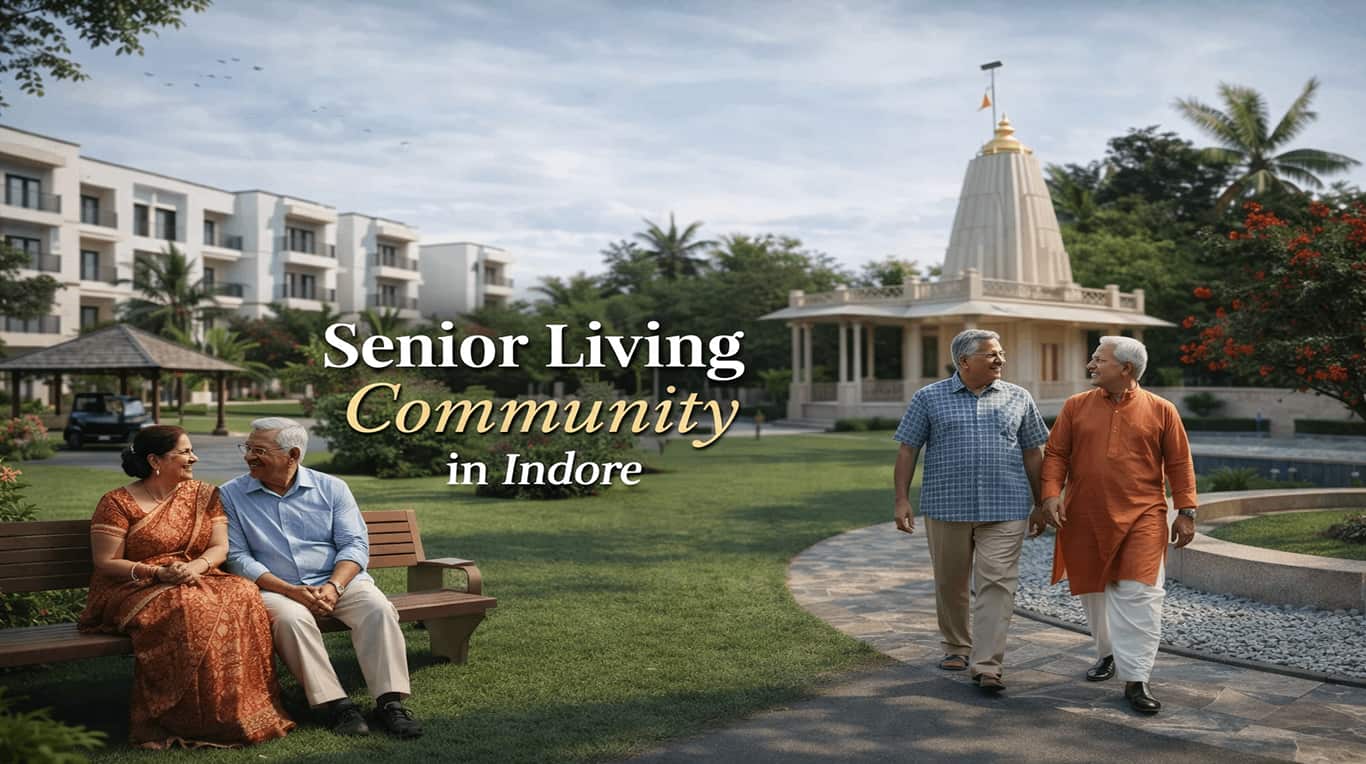
I speak with families every week who are trying to navigate this transition. The guilt they feel is real, but it is misplaced. Moving your parents to a modern senior living community in Indore is not abandoning them; it is upgrading their lifestyle. Let us break down how to handle this process logically and emotionally, ensuring their golden years are actually golden.
Understanding what your parents actually need
Most children assume that if their parents have a paid-off house and enough money in the bank, they are sorted. This is a massive blind spot. Financial security is only the baseline. It keeps a roof over their heads, but it does not guarantee a good quality of life.
Think about their daily routine. Do they struggle with stairs? Are they eating properly when left alone? More importantly, who do they socialise with? Loneliness is a silent epidemic among the elderly in India. A large, empty house can quickly feel like a prison when friends move away or pass on. Humans need connection to thrive, regardless of their age.
When you map out their future, you need to look at best places to live after retirement in India with a strict focus on community. They need a peer group. They need accessible spaces without tripping hazards. They need a life where they do not have to worry about the plumber not showing up or the maid taking a week off without notice.
Evaluating senior living communities in India
The term "old age home" carries a lot of baggage in India. Throw it out. We are talking about active senior living. This is a completely different concept.
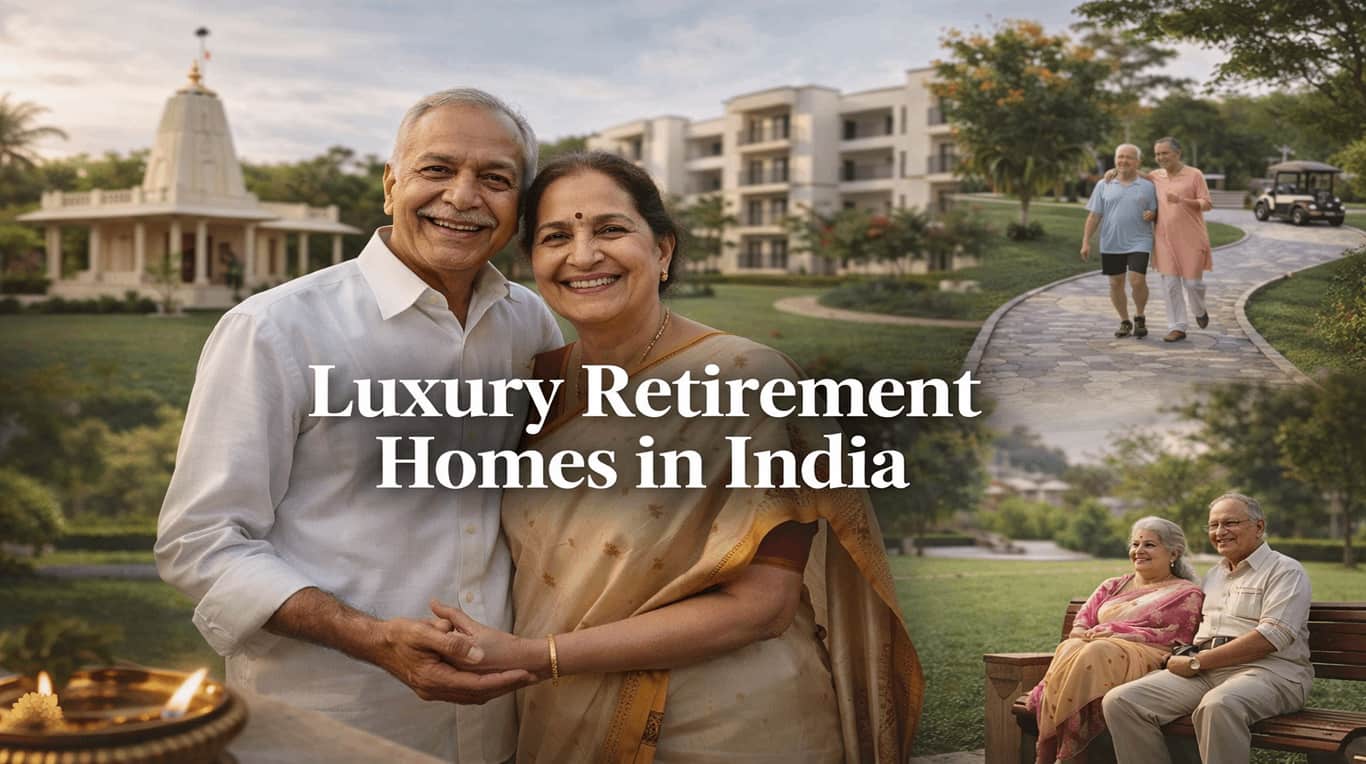
The best communities look and feel like premium resorts, but with hidden safety features. Wide corridors, grab bars in bathrooms and anti-slip tiles are standard. But the real value lies in the lifestyle. Residents wake up, attend a guided yoga session, eat a curated, nutritious breakfast and then perhaps join an art class or a book reading. They are busy, engaged and safe.
Not all communities are built the same. You need to verify their operations. Who manages the kitchen? Is the property legally secure? This is why choosing established, trustworthy names matters. For families specifically exploring Central India, investigating senior citizen gated communities in Indore offers an unmatched blend of safety and luxury. You are not just buying real estate; you are buying a long-term care delivery system.
Give your parents the lifestyle they deserve
Discover how CHL Urja combines luxury living with world-class medical care in Indore.
Schedule a Campus VisitWhy healthcare must dictate the location
If there is one thing you cannot compromise on, it is medical access. As parents age, the frequency of doctor visits naturally increases. A sudden fall or a cardiac event requires an immediate, coordinated response that standard residential societies simply cannot provide.
This is why I always advise families to look closely at an old age home with medical facilities before making any commitments. It is not enough to have a doctor on call. You need nurses on the premises. You need a dedicated ambulance parked outside, ready to move in minutes.
Communities backed by established healthcare institutions have a distinct advantage here. For example, CHL Urja leverages the decades of experience from CHL Hospitals. This means the medical protocols, the staff training and the emergency response times are hospital-grade, not just an afterthought tacked onto a real estate project.
The financial reality of ageing
Good care costs money, but it is probably more affordable than you think when you run the actual numbers. Maintaining a large, ageing house in a metro city like Mumbai or Delhi is a massive drain on resources. Property taxes, repairs, full-time domestic help and private nurses add up incredibly fast.
Many families find that liquidating an older, hard-to-maintain property can easily fund a lifestyle in an independent living retirement community in Indore. You get better air quality, a lower cost of living and a far superior standard of care. It is a logical reallocation of assets. Keep ₹15-20 lakh accessible for immediate medical contingencies, but let the rest of the capital work to improve their daily quality of life.
How to start the conversation
This is usually the hardest part. Indian parents are fiercely proud and they might initially resist the idea of moving out of their long-time home. I have seen many arguments start because children push the idea too aggressively.
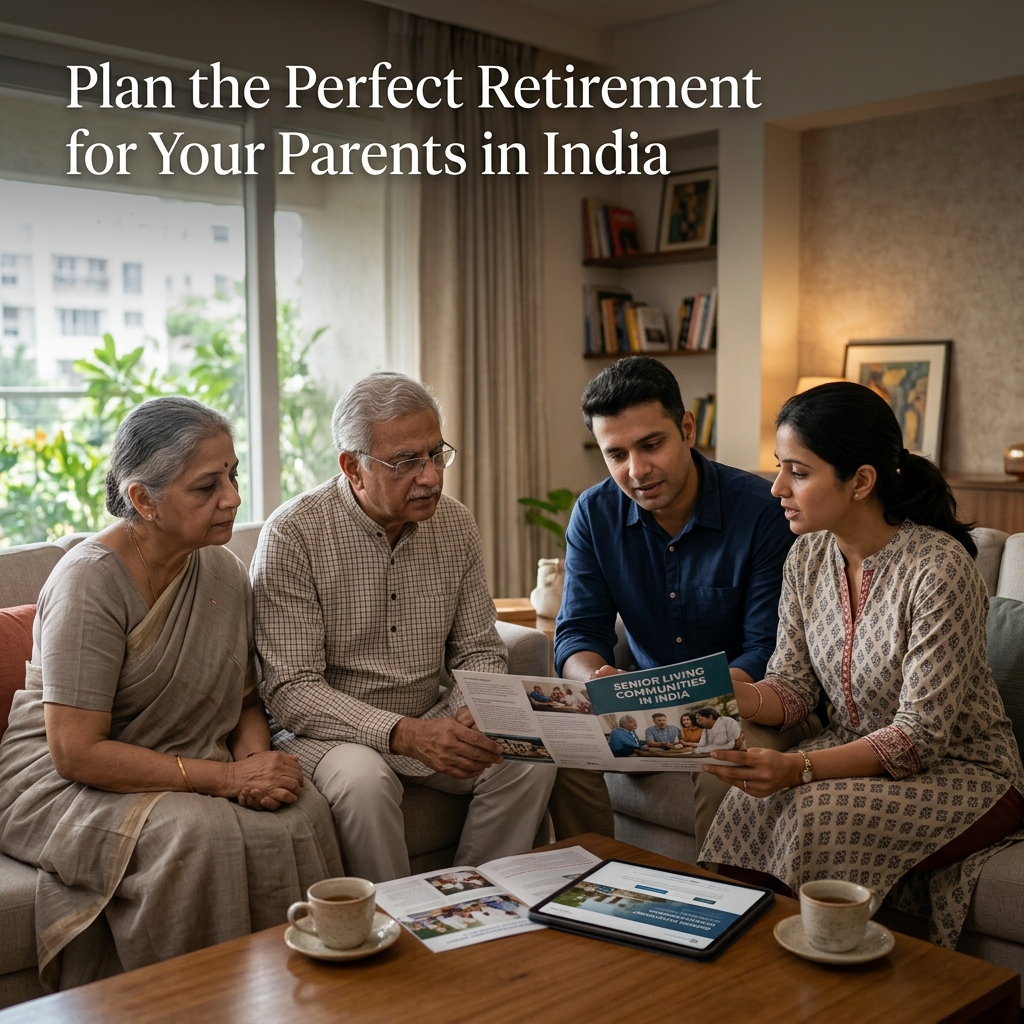
The trick is in the framing. Do not tell them they are too old to manage the house. That hurts. Instead, ask them why they are still dealing with leaking roofs and unreliable maids at their age. Present this as a reward for decades of hard work. Show them the brochures. Talk about the heated swimming pool, the community theatre and the Ayurvedic kitchen.
Better yet, take them for a visit. Let them talk to the people already living there. Once they see other active, happy seniors enjoying their days without the burden of household chores, the resistance usually melts away.
Have questions about the transition?
Our advisors can help you navigate the financial and emotional aspects of choosing a senior home.
Chat with an ExpertConclusion
You love your parents and you want them to be safe. That is exactly why you need to stop relying on piecemeal solutions and start looking at comprehensive, professionally managed communities. Giving them a space where they are medically secure, socially engaged and deeply respected is the highest form of care you can provide.
Start researching today. The earlier you make this transition, the more time your parents will have to actually enjoy their retirement rather than just surviving it. If you are ready to explore what genuine, luxury senior living looks like, contact our team to learn more about CHL Urja's upcoming projects in Indore.
Frequently Asked Questions
1. When is the right time to discuss moving to a senior community?
The best time is before an emergency forces the decision. Start the conversation while your parents are still active and capable of making their own choices about where they want to live.
2. Are retirement communities safe for single elderly parents?
Yes. In fact, they are significantly safer than living alone in a traditional house. Modern communities feature 24/7 security, controlled access and emergency response systems in every room.
3. How do we manage the financial transition?
Many families choose to sell or rent out their parents' primary residence. The proceeds are usually more than enough to secure a premium apartment in a senior living facility while leaving a healthy emergency fund.
4. What if my parents require specialised medical care later?
Premium communities like CHL Urja are integrated with top-tier hospitals. They are equipped to handle escalating medical needs, ensuring your parents do not have to move again if their health deteriorates.