
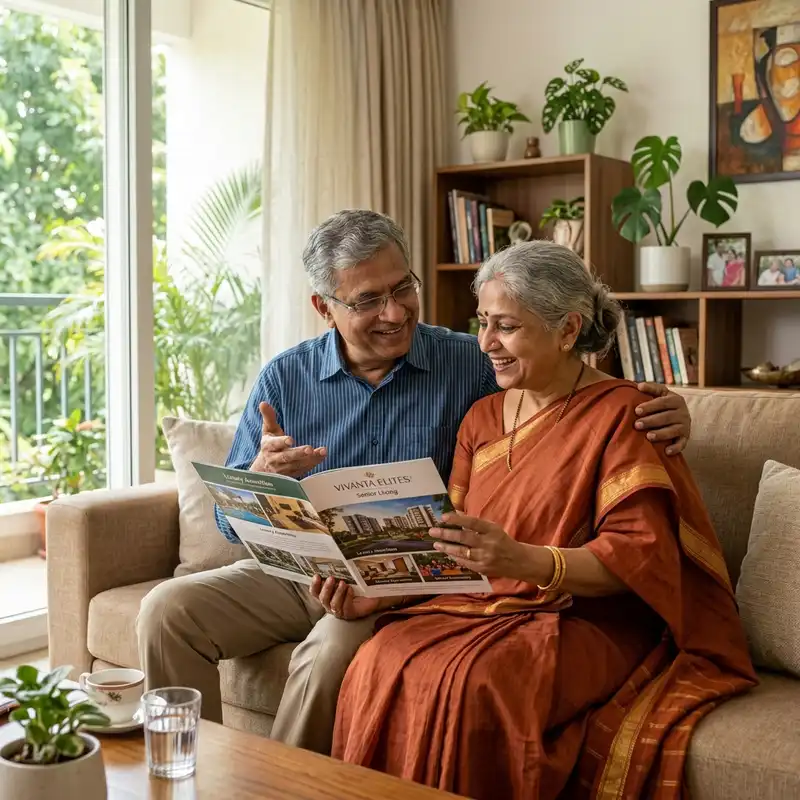
Here's the truth: every year you delay, you miss out on active years where you could be enjoying life without the burden of household worries. Knowing exactly when to move to retirement community India gives you control over your future. Today’s communities are completely different from the traditional old age homes of the past. They are modern spaces built for independence, social connection and absolute peace of mind.
Let's look at how to evaluate your current situation and decide if it is time for you or your parents to take that step.
Signs It Might Be Time for a Change
There is no single perfect age to relocate. The right time depends entirely on your lifestyle and health. If you are struggling with home maintenance, feeling socially isolated, or worrying about medical emergencies, it is time to seriously consider moving.
Many properties allow residents to enter at age 55, but the average age of residents often falls between 65 and 75. Instead of focusing on a specific number, you need to look at your daily life and see what is working and what isn't.
Home Maintenance is Becoming a Burden
A four-bedroom house makes perfect sense when you are raising a family. Once the children move out, maintaining that space just becomes a chore. Cleaning empty rooms, managing gardeners and finding a reliable plumber when a pipe bursts drain your time and energy.
In India, we often rely heavily on domestic help. But maids taking unannounced leave or cooks quitting suddenly can cause massive disruptions to your routine. If you spend more time managing your house than enjoying your hobbies, it is a clear indicator that downsizing makes sense. Moving to a community removes these headaches entirely, as the management team handles all maintenance, security, and daily chores.
You Feel Socially Isolated
Loneliness is a serious issue among older adults. When friends move away or city traffic makes it too difficult to visit relatives across town, your social circle naturally shrinks. The nuclear family structure also means children are often working in different cities or abroad, leaving parents alone in large houses.
If you find yourself spending most days alone, your quality of life is dropping. Choosing an active ageing community India solves this by providing a ready-made neighbourhood. You get daily access to people your own age, clubhouses, group yoga sessions and organised cultural events. You never have to eat dinner alone unless you actually want to.
Safety and Health Concerns Are Increasing
Bathrooms with slippery floors and multi-storey homes with steep stairs become serious hazards as we age. A sudden fall can change everything in an instant.
Modern retirement homes in India are built specifically with senior-friendly architecture. They feature anti-skid tiles, grab bars, wide doors for wheelchair access, and emergency pull cords in every room. Furthermore, having a doctor on call and a 24/7 nursing station provides immense peace of mind for both you and your children.
Ready to Upgrade Your Lifestyle?
Are you noticing these signs in your own life? Don't wait for a crisis to make a decision. Explore our senior living options to see how an active community can improve your daily routine. You can also contact us to speak with an advisor today.
Contact an AdvisorUnderstanding Your Options: Active Ageing vs. Assisted Living
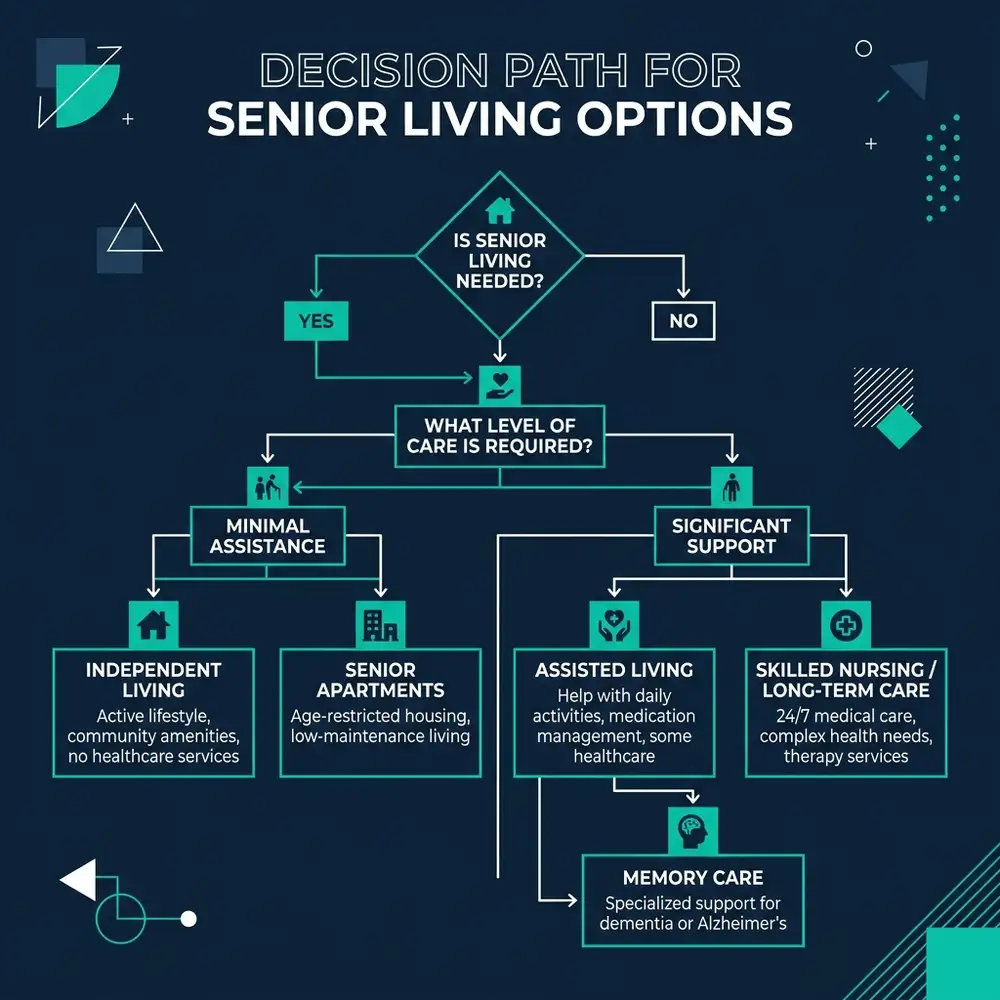
India offers different models of senior living. Active communities suit independent seniors looking for social engagement and a hassle-free lifestyle. Assisted facilities provide daily medical support for those with specific health or mobility needs.
Not all facilities are the same. You might want to explore the types of old age homes in India. Before deciding when to move to retirement community India, you need to understand which model fits your current health and lifestyle.
| Feature | Active Ageing Community | Assisted Living Facility |
|---|---|---|
| Primary Resident | Independent, healthy seniors | Seniors needing daily medical or physical help |
| Medical Care | Basic first aid, doctor on call, emergency response | 24/7 nursing care, medication management, physiotherapy |
| Lifestyle Focus | High focus on clubs, sports, and social events | Focus on comfort, rehabilitation, and gentle activities |
| Housing Style | Private villas or large apartments | Private rooms or shared suites with hospital beds |
| Cost Structure | Typically higher initial investment for the property | Higher monthly fees for ongoing medical care |
If you are generally healthy and simply want a hassle-free life with a good social circle, look into independent living for seniors. Moving while you are still active allows you to enjoy the amenities fully.
The Hidden Costs of Delaying the Move
Waiting too long to relocate often leads to a stressful, forced transition during a health crisis. Moving earlier preserves your independence and gives you the time to build strong social connections with your new neighbours.
Many families delay the decision because it feels too difficult to pack up a house. But delaying has its own hidden costs that many people fail to consider until it is too late.
Loss of Independence
Waiting until a fall or illness forces a move means you might transition straight to an assisted care facility. Moving earlier lets you enjoy years of independent living. You retain control over your schedule, your activities, and your lifestyle.
The Stress of an Emergency Move
Trying to sell a house, pack decades of belongings and find a suitable facility while recovering from a hospital stay is incredibly stressful. Making the move while you are healthy means you can sort through your possessions at your own pace and choose the exact villa or apartment you want.
Missing Out on Social Capital
Building true friendships takes time. If you move in your early sixties, you have years to form deep bonds with your neighbours. These are the people who will become your support system in your later years.
Financial Planning: Can You Afford the Move?
Moving requires clear financial planning. Retirement properties in India typically cost between ₹40 lakh to over ₹1.5 crore for an outright purchase, plus monthly maintenance fees. Calculate your retirement corpus carefully before deciding.
The financial aspect is often the biggest hurdle. Understanding the cost of retirement homes in India helps. Senior living is an investment in your comfort, but it requires careful calculation to ensure you don't overstretch your budget.
The Cost of Entry
Most premium communities operate on an outright sale or long-term lease model. In major cities like Pune, Bangalore, or Chennai, a 2BHK apartment in a good facility might range from ₹40 lakh to over ₹1.5 crore, depending on the luxury level.
You need to assess your retirement corpus. Many families fund this purchase by selling their current primary residence in the city and buying a smaller, senior-friendly villa in the suburbs.
Renting vs. Buying
If you are hesitant to sell your family home, renting is a viable alternative. Some seniors prefer to rent a unit in a community using the interest from their fixed deposits, while keeping their original home as a rental asset. Others prefer the long-term security of ownership.
Monthly Maintenance Fees
Beyond the purchase price, you must account for monthly charges. These cover security, housekeeping, food and basic medical standby. Monthly fees generally range from ₹15,000 to ₹50,000. You must ensure your pension, fixed deposits, or rental income can comfortably cover this recurring expense for the next 20 years, factoring in inflation.
Need Help with the Numbers?
Worried about the costs? Our advisors can help you structure a payment plan that works for your retirement budget. WhatsApp us today to get a detailed cost breakdown.
Message on WhatsAppHow to Shortlist the Right Property
Selecting the right community requires looking beyond the brochure. Pay close attention to the developer's track record, the proximity to major hospitals and the exact terms of the maintenance contracts.
Once you decide you are ready, you will find a lot of options on the market. If you need a detailed guide on how to choose senior living homes in India, read our full post. Here is how to narrow down your choices:
- Check the Developer's Track Record: Not every builder knows how to run a senior living facility. Look for developers who have successfully managed properties for at least five years.
- Proximity to Hospitals: An in-house clinic is great, but ensure there is a major multi-speciality hospital within a 20-minute drive for serious emergencies.
- Trial Stays: Never buy blindly. Rent a fully furnished unit for a month. Eat the food, attend the events and talk to current residents to see if the lifestyle actually suits you.
The Emotional Transition: Having the Conversation
Discussing senior living can be emotionally complex. Start the conversation early, focus heavily on the benefits of independence and visit different properties together before making any final commitments.
Deciding when to move to retirement community India is rarely just a logical decision; it is deeply emotional.
For Seniors: Overcoming the Stigma
In India, the concept of leaving the family home has historically carried a stigma. Many associate it with being abandoned. But today’s communities are a lifestyle choice, much like moving to a luxury resort. You are choosing independence over dependence.
It helps to visit a few properties. Talk to the residents there. You will quickly realise they are not lonely; they are busy enjoying their lives without the stress of city traffic and unreliable domestic help.
For Adult Children: Approaching Your Parents
If you are worried about your parents living alone, broaching the subject can be tricky. Do not frame it as "you need help." Frame it as an upgrade to their lifestyle. Ask them if they are tired of managing the house. Offer to take them on a tour of a luxury community just to "look around" without any pressure. Let the amenities and the happy residents do the convincing.
Frequently Asked Questions (FAQs)
What is the minimum age to move into a retirement community in India?
Most communities set the minimum age at 55 for at least one partner. However, the ideal time to move is usually between 60 and 70, while you are still active enough to truly enjoy the lifestyle and facilities.
Are retirement homes in India a good investment for seniors?
Yes, they provide an excellent return in terms of quality of life, physical safety and medical security. Financially, the real estate value usually appreciates over time, and the property can be inherited or sold by your heirs later.
Can I keep my pets in a senior living community?
This depends entirely on the specific property's rules. Some communities are strictly pet-free, while others welcome small pets. Always clarify this before paying a deposit.
What happens if my medical needs increase after I move in?
Most premium properties have tied up with nearby hospitals and offer in-house assisted living wings. If you require more intensive care later, you can often transition to the assisted living in India section without leaving the community you know.
Conclusion
Knowing when to move to retirement community India is a deeply personal choice. It is about recognising when the effort of maintaining your current lifestyle outweighs the joy you get from it. By choosing to move while you are still healthy and active, you take absolute control of your golden years. You trade the stress of home maintenance for an active, socially engaging and highly secure environment.
Are you ready to take the next step?
Explore our complete range of senior living options today and discover a place where you can truly thrive. Contact us now to schedule a free site visit and experience the lifestyle for yourself.
Schedule a Free Site Visit