Retirement planning in India traditionally revolved around financial security. Today, it equally involves planning for physical independence and social wellbeing. As life expectancy increases, seniors require living arrangements that do more than just provide basic shelter and reactive medical care. They need environments designed to help them thrive.
An active ageing community India represents the modern solution to this requirement. These specialized residential projects are built exclusively for independent seniors. By integrating maintenance free housing, structured social calendars and accessible healthcare, these communities remove the daily friction of managing a household, allowing residents to focus entirely on their health and happiness.
What is an Active Ageing Community?
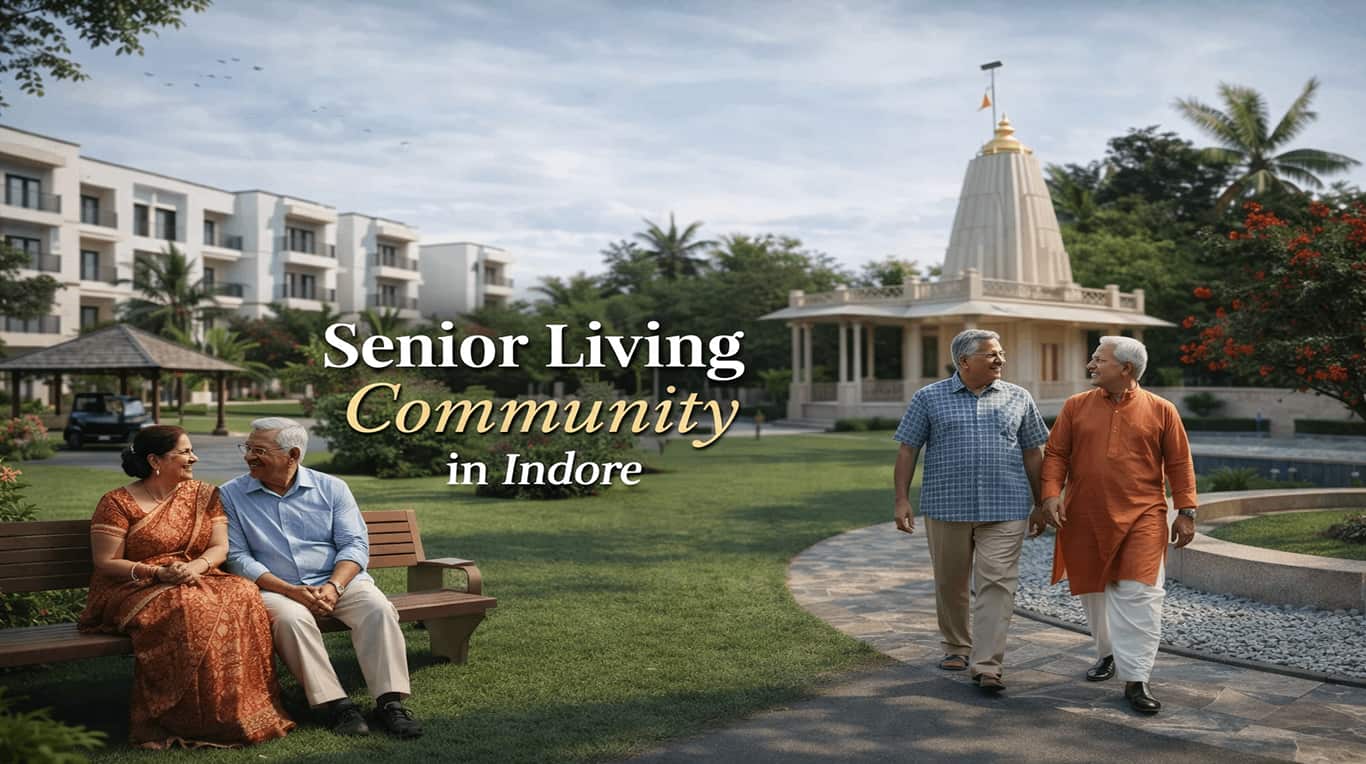
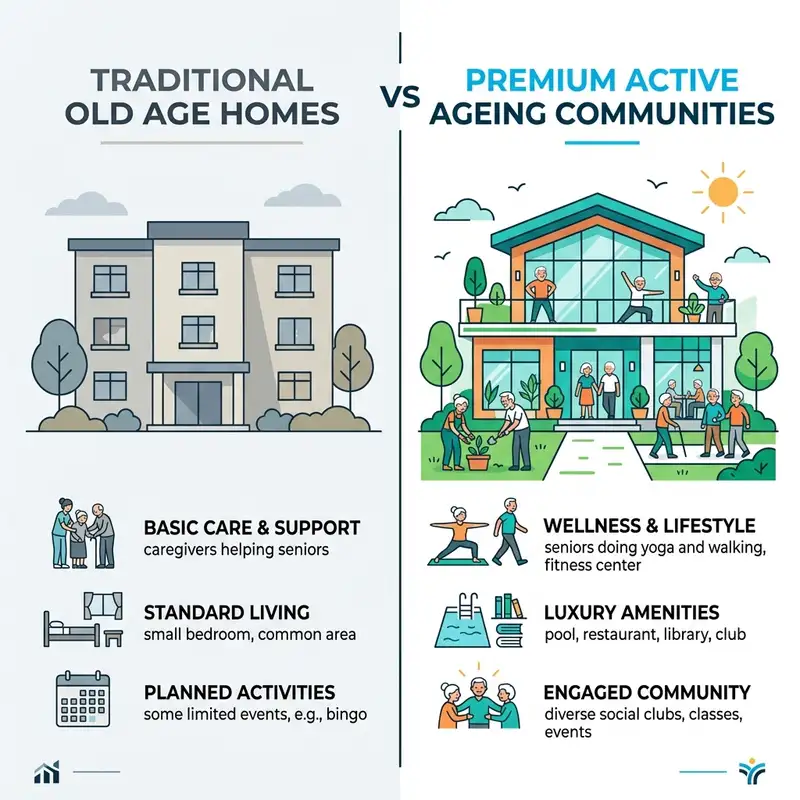
An active ageing community India is a specialized residential development for independent seniors, typically aged 60 and above. Unlike traditional old age homes, these communities focus on preventive healthcare, continuous social engagement and an active lifestyle, offering amenities like clubhouses, fitness centres and on site medical support.
The distinction between living conditions in a traditional old age home and a premium active ageing community is fundamental. Traditional facilities were historically established as charitable or last resort institutions, focusing on basic geriatric care. Conversely, active ageing campuses are lifestyle oriented real estate developments designed for seniors who want to maintain their independence in a secure environment supported by peers.
Residents in these communities live in their own private apartments or villas. The management takes over all household responsibilities, including plumbing, electrical maintenance, security and cooking. This service heavy model frees up hours of the day, which residents can then invest in hobbies, fitness and community events.
Medical Infrastructure and Preventive Healthcare
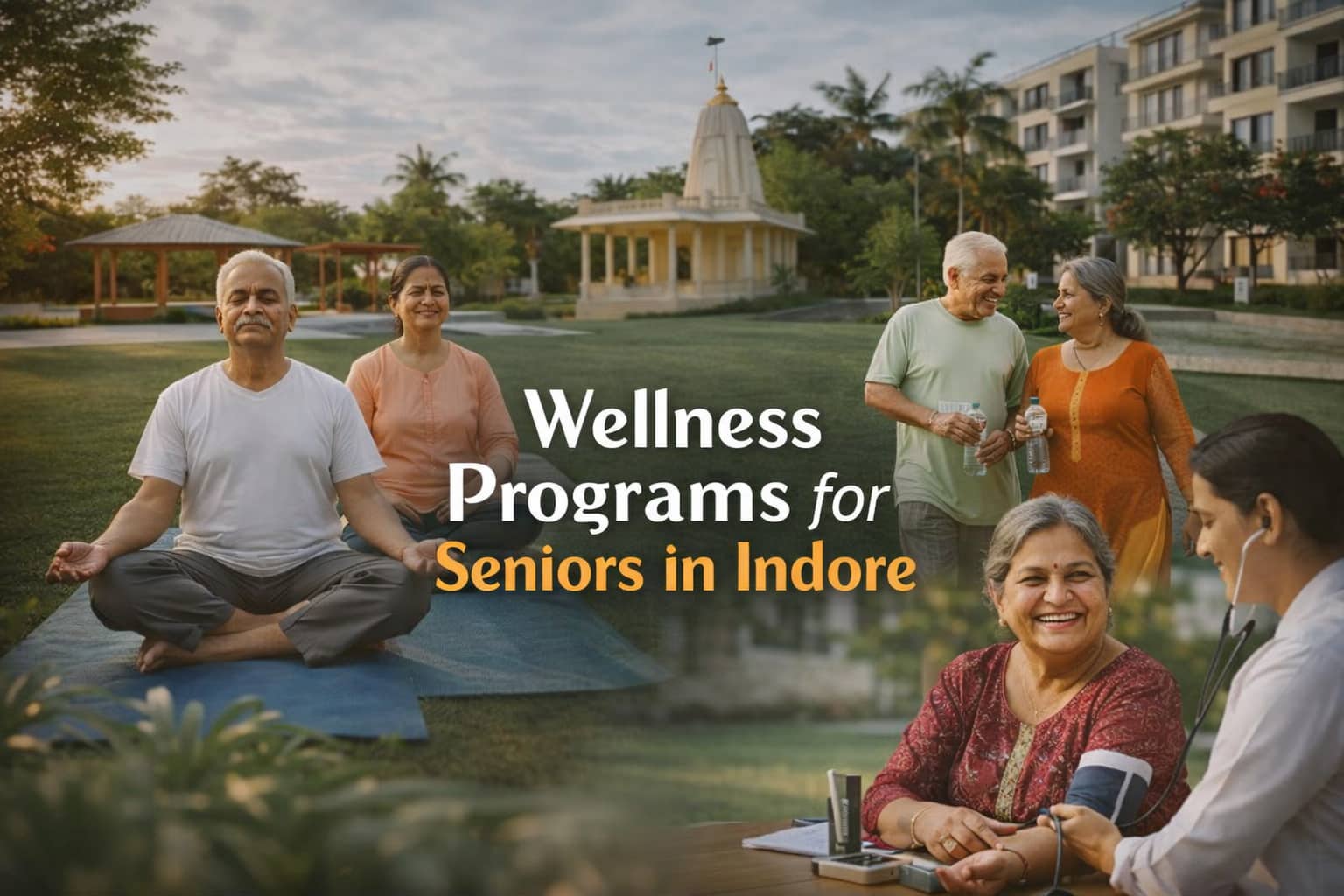
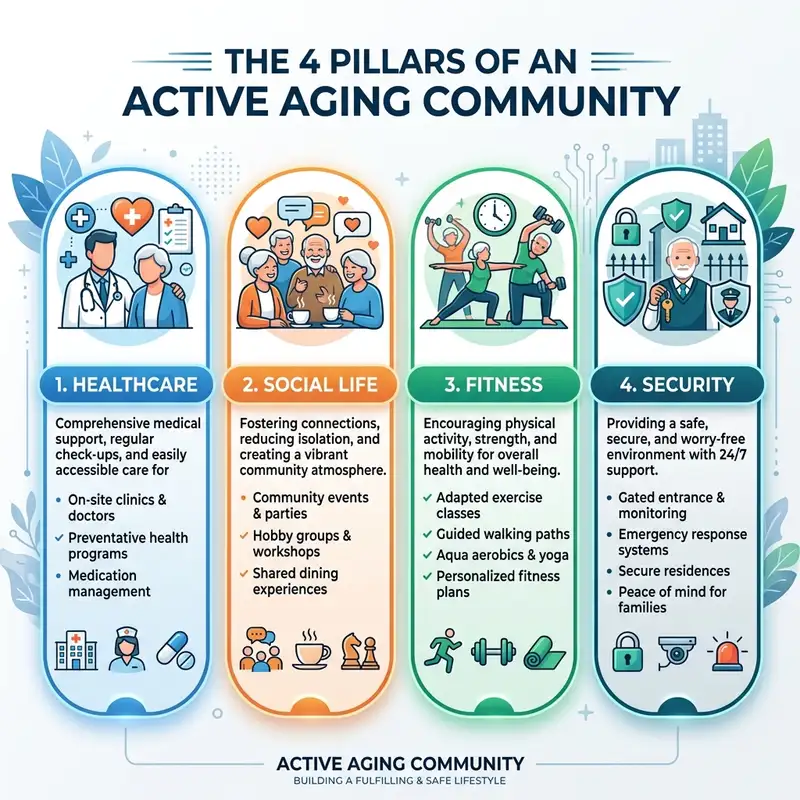
Premium senior living integrates preventive healthcare directly into the daily routine. Standard infrastructure includes 24/7 on site nursing, emergency response systems in every residence, routine vitals monitoring and specialized dietary planning, drastically reducing the risks associated with delayed medical intervention.
Medical safety and reliable care is the primary driver for families researching a retirement community. The risk of chronic conditions, such as hypertension or diabetes, and mobility issues naturally increases with age. A strong active ageing facility does not just react to emergencies. It works actively to prevent them.
For example, facilities like CHL Urja, backed by the 25 year legacy of CHL Hospitals, treat healthcare as the core foundation of the community. The infrastructure typically includes the following
- On site Medical Clinics Staffed by trained nurses 24/7 for immediate assistance.
- Preventive Screenings Regular check ups to monitor blood pressure, sugar levels and overall wellness.
- Emergency Protocols Panic buttons installed in bathrooms and bedrooms, linked to an on campus ambulance.
- Physiotherapy Centres Dedicated spaces for pain management and mobility exercises to keep seniors physically independent.
Understand the Standard of Medical Care
Review the comprehensive, hospital backed medical infrastructure that defines a premium senior living experience.
Explore Healthcare FacilitiesThe Impact of Social Engagement on Cognitive Health
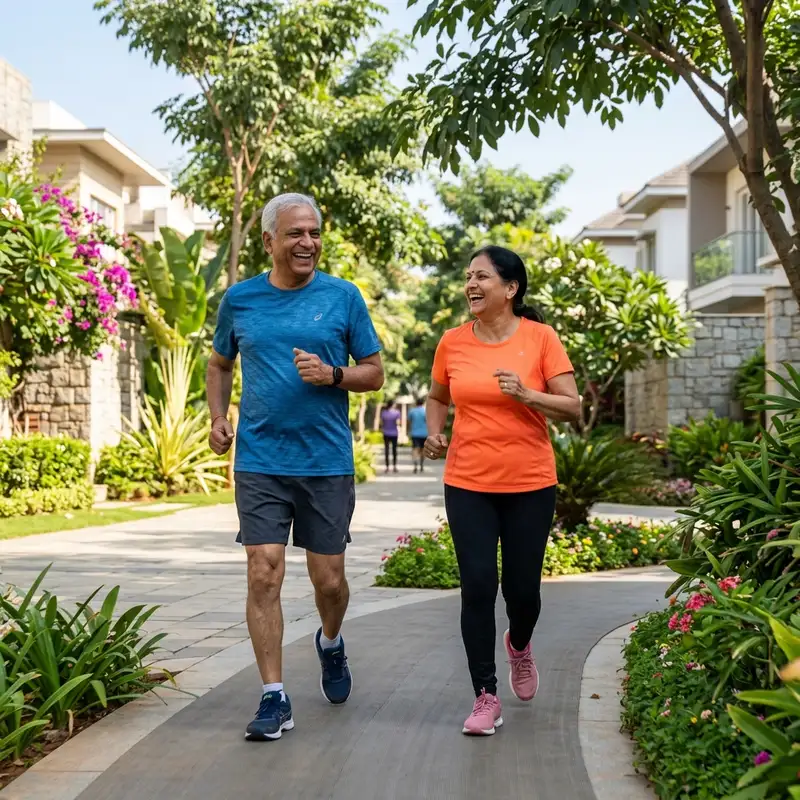
Structured social engagement in senior communities actively combats isolation, which is a leading cause of cognitive decline in the elderly. Active ageing campuses curate daily events, including cultural festivals, reading clubs and group fitness sessions, building a strong peer network.
According to the World Health Organization, social isolation among older adults is a major risk factor for depression and cognitive decline. In standard urban housing, seniors often find their social circles shrinking due to mobility issues or friends moving away.
An active ageing campus structurally eliminates isolation. The lifestyle and architecture are designed to encourage interaction. Centralized dining halls, shared library spaces and a structured daily routine ensure that residents have continuous opportunities to interact with like minded peers.
Senior Friendly Architecture and Safety Protocols
Active ageing properties utilize universally accessible design to prevent accidents. Key architectural features include anti skid flooring, bathroom grab bars, zero step entries and wheelchair accessible corridors, operating alongside 24/7 CCTV surveillance and specialized security personnel.
Standard real estate is not optimized for the physical realities of ageing. High thresholds, slippery bathroom tiles and narrow doorways present daily hazards. Premium retirement communities implement specialized architectural standards to mitigate these risks completely.
Every apartment is designed with anti skid flooring to prevent falls, which are the leading cause of severe injury in older adults. Edges on fixed furniture are rounded. Bathrooms are equipped with sturdy grab bars and shower seats. Also, the entire campus is secured with multi tier access control, ensuring that residents are protected from both physical accidents and external security threats.
Financial Planning Home Care vs Active Ageing
While hiring full time nurses and domestic staff at home offers convenience, an active ageing community India provides a more reliable, fixed cost alternative. Transparent monthly maintenance fees cover housing, nutrition, security and healthcare access without the unreliability of individual staff management.
When evaluating the financial viability of a senior living community, it is essential to compare the monthly maintenance fees against the true cost of ageing in place. Managing an elderly parent at home often requires hiring full time attendants, subscribing to meal delivery services and modifying the house for safety.
Reputable organizations maintain transparent pricing models that detail exactly what the base fee covers, typically meals, housekeeping, laundry and access to all amenities. This fixed cost model provides financial predictability and protects families from the sudden, hidden costs associated with home maintenance and staff turnover.
Comparative Analysis Ageing at Home vs Premium Community
| Care Parameter | Ageing in a Standard Home | Active Ageing Community |
|---|---|---|
| Medical Response | Dependent on external ambulances and doctor availability. | 24/7 on site nursing, emergency pull cords, stationed ambulance. |
| Social Interaction | Often isolated. High risk of loneliness and depression. | Daily community events, hobby clubs and peer interaction. |
| Physical Safety | Requires expensive home modifications for accessibility. | Purpose built architecture with anti skid floors and zero step entries. |
| Daily Maintenance | Requires constant management of maids, cooks and repairs. | 100% professionally managed housekeeping, laundry and culinary services. |
Evaluating Location Why Indore is Emerging as a Hub
Indore is rapidly becoming a preferred destination for senior living due to its clean environment, strong healthcare infrastructure and lower cost of living compared to major metros. Its international airport ensures seamless connectivity for families visiting from abroad.
Location is an important variable in retirement planning. Major metropolitan cities like Mumbai and Delhi present challenges such as high pollution levels, severe traffic congestion and an inflated cost of living. Consequently, Tier 2 cities with strong infrastructure are becoming the top choices for senior living in India.
Indore consistently ranks as India's cleanest city. It offers a calm environment while retaining access to top tier multi specialty hospitals. A premium campus located on the outskirts of Indore provides residents with clean air and peaceful surroundings, while remaining highly accessible via the city's international airport.
Explore the Premier Active Ageing Campus in Indore
Discover how CHL Urja combines luxury living with comprehensive healthcare for the ultimate retirement experience.
Contact Our AdvisorsFrequently Asked Questions
1. What exactly is an active ageing community India and how does it differ from a traditional old age home?
An active ageing community is a premium, resort style residential complex designed specifically for independent seniors. While old age homes offer basic shelter and are often seen as a last resort, these communities provide luxury amenities, preventative healthcare, structured social activities and a focus on maintaining an active, fulfilling lifestyle.
2. Is an active ageing community safe for single elderly parents?
Yes, these communities are highly secure environments. With 24/7 CCTV surveillance, multi tiered access control, emergency panic buttons in every room and round the clock nursing staff, single parents are completely protected from both medical emergencies and external security risks.
3. What kind of daily routine is followed in a retirement community?
The daily schedule is structured but entirely voluntary. A typical day may include morning yoga, group breakfast, afternoon reading or physiotherapy sessions and evening social gatherings in the clubhouse. This structure ensures residents remain physically active and socially engaged.
4. How do these communities handle sudden medical emergencies?
Premium communities maintain a dedicated on site medical centre staffed by nurses 24/7. Apartments are equipped with emergency pull cords that alert the medical team immediately. An on site ambulance is always ready for rapid transfer to partnered multi specialty hospitals if advanced care is required.
5. When is the right time to move into a senior living community in India?
Geriatric experts recommend moving between the ages of 60 and 65, while the individual is still active and independent. Transitioning early allows seniors to fully utilize the lifestyle amenities, build a strong social network and acclimate to the community before requiring intensive medical support.