Undergoing major surgery is demanding at any age, but for senior citizens, complete healing only begins at hospital discharge. Whether an aging parent is recovering from a total knee replacement, cardiac bypass surgery, spinal decompression or an acute hospital stay, transitioning from an intensive medical ward to home carries hidden vulnerabilities. In Indian cities like Mumbai, Delhi, Bengaluru and Indore, families often assume that bringing elders home immediately is the most comforting choice. Yet without sterile nursing protocols, dedicated physical therapy equipment and continuous physiological monitoring, the home environment can quickly become hazardous.
Standard residential apartments present physical obstacles for recovering seniors. Steep stairs, slippery flooring, narrow bathroom doors, low toilet seats and raised thresholds turn everyday movements into fall hazards. When adult children balance professional careers or live overseas as NRIs, managing complex wound dressings, medication timing, surgical drain care and mobility transfers creates severe caregiver burnout. Unintentional mistakes or accidental stumbles frequently lead to complications and emergency room readmissions.
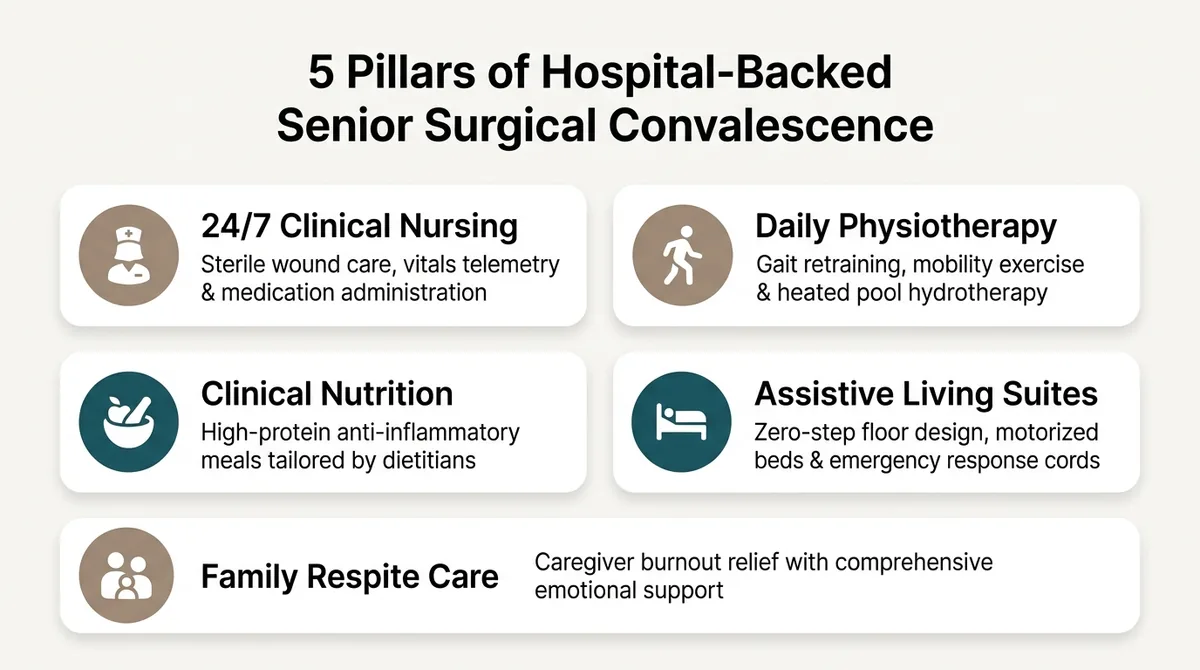
Recognizing this recovery gap, proactive families choose short term respite care and post surgery recovery for seniors in India within hospital-backed senior living communities. Rather than relying on makeshift setups with untrained domestic attendants, seniors recuperate in purpose-built suites equipped with 24/7 clinical geriatric nursing, daily physiotherapy, clinical nutrition and immediate tertiary hospital emergency backup. This structured bridge protects surgical outcomes, speeds physical independence and provides families with total peace of mind.
Why Short Term Respite Care and Post Surgery Recovery for Seniors in India Is Critical
Senior convalescence demands specialised clinical oversight because aging bodies experience delayed cellular repair, rapid muscle loss and heightened risks of post-operative complications. Dedicated short-term recovery facilities prevent hospital readmissions through 24/7 sterile nursing, continuous vitals telemetry and early mobility rehabilitation.
The physiological response to surgical stress differs markedly in seniors due to sarcopenia, slower collagen synthesis and altered drug clearance. Remaining bedridden for even a few days causes older adults to lose up to ten percent of their lean muscle mass, compromising balance, increasing joint stiffness and escalating fall risks.
Clinical geriatric research reveals that the first thirty days following hospital discharge represent the most dangerous window for surgical complications. Frequent post-operative hazards include surgical site infections (SSIs), deep vein thrombosis (DVT), pulmonary embolism, pressure sores, urinary tract infections and medication toxicity from complex prescription regimens. At home, subtle warning signs like low-grade fevers, calf tenderness, wound discharge or electrolyte imbalances are easily overlooked until they escalate into acute crises.
Dedicated post-operative care facilities eliminate these vulnerabilities by surrounding seniors with a multidisciplinary clinical team. Professional nurses manage sterile dressings under strict aseptic techniques, monitor surgical drains and audit vital signs around the clock. By coupling vigilant medical oversight with early guided mobilization, convalescent care communities lower hospital readmission rates, shorten recovery times and preserve the senior's surgical gains.
Clinical Rehabilitation Tracks: Orthopaedic, Cardiac and Neurological Care
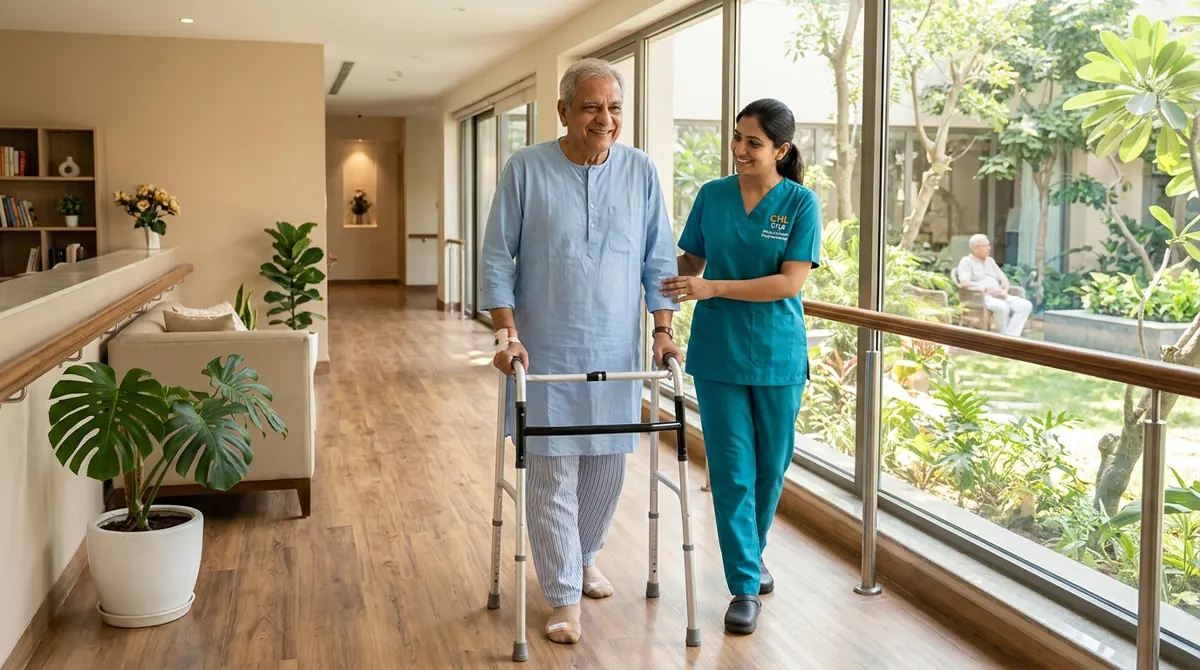
Specialised convalescent pathways tailor rehabilitation to individual surgical demands. Orthopaedic tracks prioritize joint articulation and gait re-education, cardiac recovery focuses on safe aerobic conditioning and sternal healing, while neurological respite restores neuromuscular coordination and functional independence.
Effective post-surgical rehabilitation cannot follow a generic template. Different surgical procedures impose distinct mechanical restrictions, pain management protocols and movement milestones. Purpose-built physiotherapy recovery suites for seniors offer tailored rehabilitation tracks designed around the recovery requirements of major geriatric surgeries:
- Orthopaedic Convalescence (Total Knee Replacement, Hip Arthroplasty and Spinal Fusion): Orthopaedic surgeries require prompt joint articulation to prevent fibrous joint adhesion and persistent stiffness. Specialized suites utilize continuous passive motion (CPM) units, targeted isometric exercises, parallel bars and gait retraining equipment. In addition, heated indoor hydrotherapy pools allow seniors to perform gentle water-resistance exercises that unload eighty percent of body weight from sensitive joints, restoring range of motion. Discover the therapeutic mechanisms of heated water recovery in our guide on heated pool hydrotherapy for seniors.
- Cardiothoracic and Vascular Recovery (CABG, Valve Replacement and Angioplasty): Post-cardiac surgery recovery demands strict adherence to sternal precautions, preventing chest wall separation while rebuilding cardiovascular stamina. Clinical teams monitor cardiac rhythm telemetry, blood pressure and oxygen saturation during graded exercise. Respiratory physiotherapists guide seniors through incentive spirometry and diaphragmatic breathing to prevent post-anaesthesia atelectasis and lung infections.
- Neurological and Post-Stroke Respite Care: For seniors recovering from neurosurgical interventions or acute strokes, recovery focuses on neuromuscular re-education, balance restoration and fine motor retraining. Speech therapists work alongside occupational therapists to address swallowing difficulties (dysphagia) and rebuild cognitive function, helping elders regain communication confidence.
- Post-Infection and General Geriatric Convalescence: Elderly patients discharged after pneumonia, sepsis, abdominal surgery or intensive care stays often suffer from post-hospital syndrome. Convalescent care restores vitality through progressive endurance training, guided mobility routines, cognitive stimulation and restorative sleep in a tranquil environment.
Seeking Hospital-Backed Convalescent Care in Central India?
URJA by CHL provides fully serviced recovery suites, specialized physiotherapy and 24/7 emergency medical infrastructure directly backed by CHL Hospitals Indore.
Explore Convalescent Living at URJA By CHLComparing Recovery at Home vs Hospital-Backed Post-Operative Senior Care in Indore
Recovering at home with domestic helpers exposes seniors to medication errors, fall hazards and delayed emergency response. In contrast, hospital-backed convalescent facilities in Indore offer clinical round-the-clock nursing, advanced physiotherapy suites, clinical nutrition and direct ICU integration within minutes.
When planning post-operative care, families must weigh the practical limitations of managing recovery at home against the clinical advantages of professional convalescent facilities:
| Care Dimension | Traditional Home Recovery with Ayahs | Hospital-Backed Community (URJA by CHL) |
|---|---|---|
| Clinical Nursing Supervision | Untrained domestic attendants; high risk of non-sterile wound care, cross-infection and medication errors. | 24/7 qualified geriatric nurses, sterile dressing protocols, surgical drain monitoring and vitals telemetry. |
| Physiotherapy & Mobility Equipment | Irregular 45-minute home visits by visiting therapists; zero access to specialized gym equipment or hydro pools. | Twice-daily on-site sessions in advanced physiotherapy recovery suites, gait training and heated hydrotherapy pool. |
| Emergency & ICU Response Time | 30 to 60 minutes scrambling to find ambulances, navigate city traffic and locate ICU beds. | Immediate on-campus medical triage, crash cart protocols and dedicated ICU ambulance transfer in under 10 minutes to CHL Hospitals. |
| Clinical Nutritional Management | General domestic cooking often lacking therapeutic protein density, electrolyte balance or strict diabetic control. | Clinical dietitian-curated high-protein, anti-inflammatory meals tailored to surgical healing and metabolic conditions. |
| Physical Safety Architecture | Narrow doors, raised sills, slippery tiles, traditional bathrooms and steps that trigger fall risks. | 100% barrier-free suites, motorized hospital beds, R11 anti-skid flooring, grab bars and emergency pull cords. |
| Family & Caregiver Well-Being | Severe family stress, sleepless nights, physical exhaustion and constant anxiety over medical emergencies. | Complete family peace of mind; visits focus entirely on warm emotional encouragement while professionals handle all care logistics. |
Opting for hospital backed post operative senior care Indore ensures that should any sudden clinical complication arise, such as an irregular heart rhythm or acute surgical wound bleed, senior residents are evaluated immediately by attending medical officers. Learn how integrated emergency infrastructure safeguards older adults in our comprehensive review of how retirement communities handle medical emergencies in India.
Relieving Caregiver Burnout with Short Stay Assisted Living for Elderly
Caregiver fatigue compromises both family health and senior recovery. Short stay assisted living provides professional respite care, allowing family caregivers to recharge while ensuring recovering seniors receive dedicated, compassionate 24/7 clinical attention in an elder-friendly campus.
The emotional and physical toll of post-operative eldercare falls heavily on family members. In modern urban Indian households, adult children frequently balance intense careers, parenting duties and the physical demands of nursing an immobilized parent. Assisting with bedpan transfers, sponge baths, turning schedules to prevent bedsores and midnight pain management quickly produces chronic sleep deprivation, anxiety and exhaustion.
This caregiving challenge is magnified for Non-Resident Indian (NRI) families. Sons and daughters living in the United States, the United Kingdom, Canada, Singapore or the Gulf region often travel to India for a parent's surgery on limited leave. When leave ends, they face the distressing choice of returning abroad while leaving an elderly parent with distant relatives or unverified domestic staff. For long-term solutions, families often evaluate our dedicated campus offerings for managed senior living for NRI parents in India.
Choosing short stay assisted living for elderly and temporary eldercare facilities in Central India provides a practical, compassionate solution. Seniors reside in private assisted living suites where dedicated nursing attendants manage personal hygiene, grooming, medication schedules and meal assistance with respect and patience. Family members, whether living across the city or overseas, gain confidence that their loved ones receive world-class convalescent support. The family dynamic shifts from stressful crisis management back to loving companionship.
5-Step Clinical Roadmap: From Hospital Discharge to Complete Independence
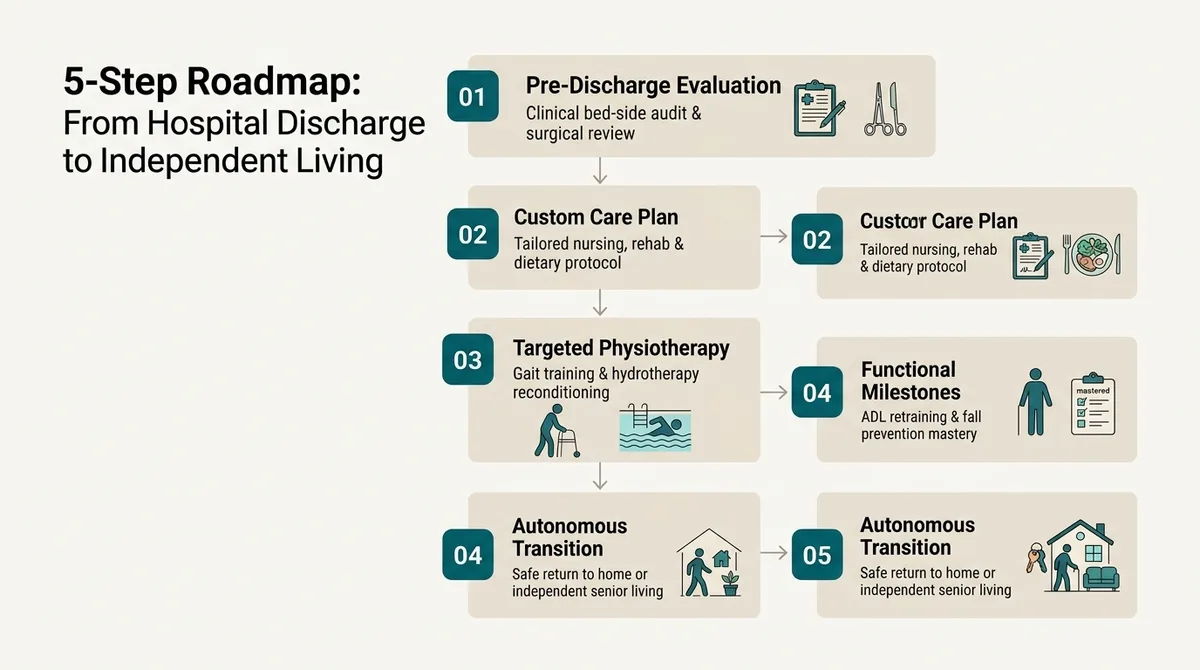
A structured transition roadmap bridges acute hospital discharge and home independence through five disciplined phases: bedside geriatric evaluation, customized recovery planning, daily intensive physical therapy, functional milestone tracking and autonomous discharge preparation.
Achieving a smooth, complication-free recovery requires a structured clinical trajectory. At URJA by CHL, post-operative senior rehabilitation follows a proven five-stage clinical progression:
- Pre-Discharge Bedside Evaluation and Clinical Audit: Before hospital departure, our senior geriatric medical lead and nursing supervisor review the operating surgeon's operative notes, discharge summary, radiological scans, wound status and prescription charts. This thorough audit ensures that all medical equipment, oxygen support, specialized dressings and medications are pre-stocked in the recovery suite prior to arrival.
- Formulation of a Personalised Multidisciplinary Care Plan: Upon arrival, a team comprising a geriatrician, senior physiotherapist, clinical psychologist and medical nutritionist conducts a baseline assessment. They formulate a tailored protocol establishing specific targets for fluid intake, therapeutic protein requirements, joint range-of-motion milestones, pain management regimens and sleep schedules.
- Intensive Daily Physiotherapy and Hydro-Rehab Sessions: Recovery accelerates through twice-daily scheduled physical therapy sessions in our specialized rehabilitation centre. Seniors progress from bed mobility exercises and isometric muscle activation to standing balance drills and gait re-education. As surgical wounds heal, seniors participate in supervised sessions in our indoor heated hydrotherapy pool, which accelerates joint mobility and muscle strengthening in a weightless environment.
- Functional Independence Milestones and ADL Retraining: Regaining autonomy requires mastering Activities of Daily Living (ADLs). Occupational therapists guide seniors through simulated real-world tasks, including bed-to-chair transfers, safe standing, independent toilet navigation and shower safety maneuvers. Residents develop confidence navigating barrier-free campus corridors. Review essential structural safety elements in our guide on senior-friendly features every retirement home should have.
- Autonomous Transition and Home Re-Integration: Once the resident consistently meets clinical recovery benchmarks, achieves stable physiological vitals and demonstrates independent mobility, the care team prepares the family for discharge. The team provides a clear home exercise guide, detailed nutritional guidelines and organizes any necessary home accessibility modifications. Alternatively, seniors and families who appreciate the active community life and maintenance-free lifestyle often choose to transition seamlessly into permanent independent senior living.
FAQs
1. What is short term respite care and post surgery recovery for seniors in India?
Short term respite care and post surgery recovery for seniors in India provides temporary, hospital-backed residential rehabilitation for elders recovering from major operations or illness. Facilities combine 24/7 clinical nursing, daily on-site physiotherapy, clinical nutrition and assisted living suites to restore independent mobility before returning home.
2. How long does a senior typically stay in a post-operative convalescent care facility?
Most seniors stay in post-operative convalescent care for two to six weeks, depending on surgical complexity and personal healing rates. Joint replacement patients typically recover mobility in two to four weeks, while cardiac, neurological and major trauma convalescence may extend up to eight to twelve weeks for optimal recovery.
3. What medical conditions and surgeries benefit most from hospital-backed senior rehabilitation?
Hospital-backed senior rehabilitation benefits patients recovering from total knee or hip replacements, spine surgeries, cardiac bypass (CABG), stroke events, abdominal surgeries and severe geriatric infections. It is also ideal for frail elders needing post-ICU reconditioning and family caregivers requiring short-term respite relief.
4. How does hospital-backed respite care in Indore prevent surgical readmissions?
Hospital-backed respite care prevents readmissions through around-the-clock sterile wound management, strict medication compliance, early guided ambulation and continuous vitals monitoring. With direct tertiary hospital ICU integration, any emerging clinical issue is diagnosed and treated immediately on campus before complications escalate.
5. Can seniors transition from short-term convalescent care to permanent independent senior living?
Yes, seniors can seamlessly transition from short-term convalescent care into permanent independent or assisted senior living residences. Many recovering seniors and their families find the barrier-free architecture, peer companionship, nutritious dining and comprehensive medical security so comforting that they choose permanent freehold residency.
Need Immediate Post-Surgical Respite or Recovery Support in Indore?
Our compassionate clinical care advisors are available 24/7 to coordinate hospital discharge transfers, evaluate recovery suites and design personalized rehabilitation plans for your parents.
Connect with Our Clinical Team