Living in a crowded Indian metro city after retirement often means dealing with honking traffic, concrete heat islands and stubborn winter smog. For many retired couples, simple morning walks turn into health hazards as air quality indexes frequently cross 200 AQI. When lungs work harder to filter particulate dust, daily stamina drops, joint inflammation flares up and sleep quality suffers. Retiring peacefully should mean breathing fresh, clean air every single day without locking yourself inside an air-conditioned room.
This is why doctors, geriatric wellness experts and families are examining how green retirement communities improve senior health and longevity India. By integrating dense botanical micro-forests, organic medicinal gardens, lake-view walking promenades and biophilic campus layouts, modern eco-living communities create natural sanctuaries for active ageing. When daily exercise happens under dense tree canopies surrounded by clean oxygen, retirement transforms into a time of true rejuvenation, peace of mind and healthy active living.
What Is a Miyawaki Forest Eco-Campus in Senior Living?
A Miyawaki forest eco-campus uses the proven Japanese botanical method of planting dense, multi-layered native Indian trees in compact zones. These micro-forests grow ten times faster, absorb urban noise, lower local ambient temperatures by 3 to 5 degrees Celsius and deliver sub-50 AQI microclimates for senior residents.
The Miyawaki methodology, developed by renowned Japanese botanist Dr Akira Miyawaki, replicates natural virgin forest ecosystems. Instead of planting sparse ornamental grass lawns that consume water without providing ecological cover, a Miyawaki eco-campus plants dozens of native tree species closely together. Within two to three years, these saplings form a self-sustaining, multi-tiered canopy featuring canopy trees, sub-trees, native shrubs and groundcovers.
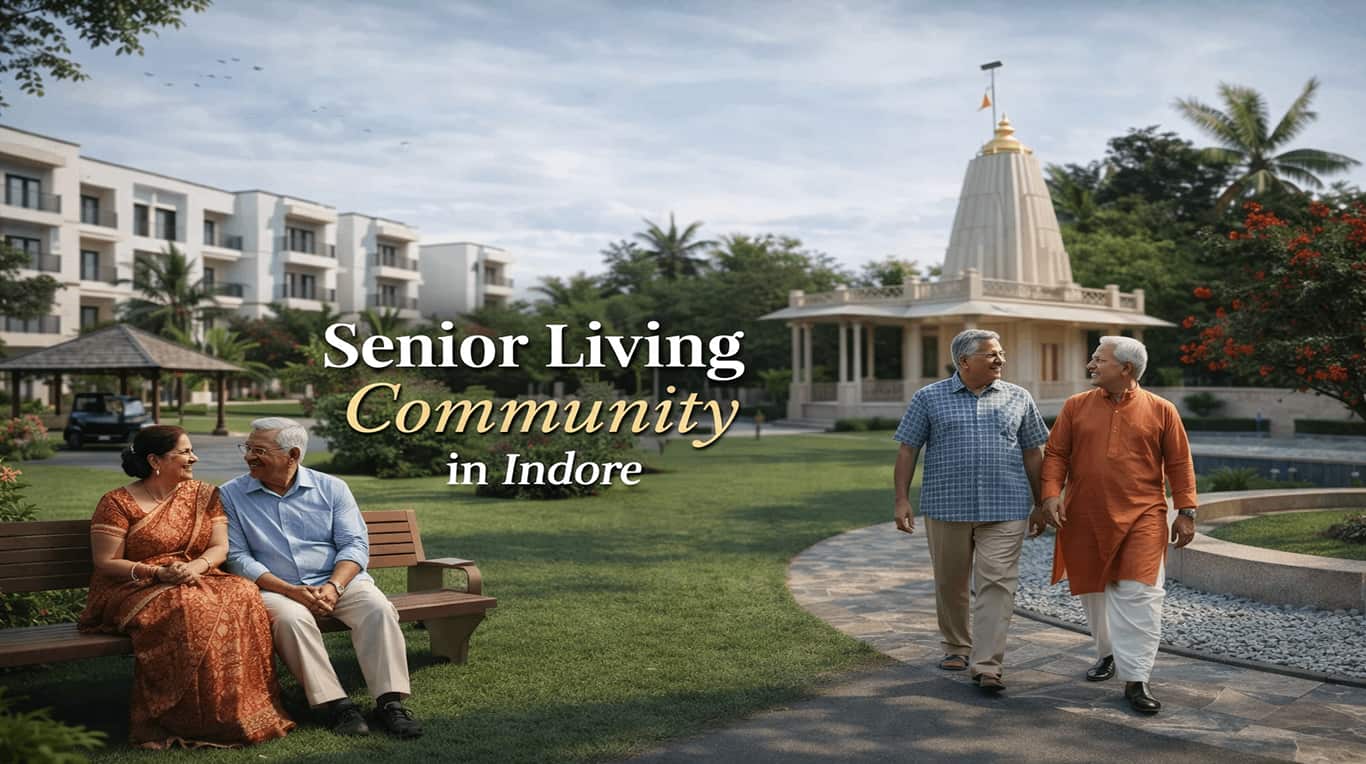
For seniors moving into an apartment for elderly parents in India or an independent villa, living alongside a 15-acre green eco-campus changes the daily living environment. Thousands of indigenous trees like neem, peepal, banyan, arjun, amla, jamun and kadamba work around the clock as living bio-filters. They trap fine dust, generate higher local oxygen concentrations and act as thick acoustic buffers against highway noise.
Along rapidly growing residential zones such as the Indore Bypass corridor, an eco-campus creates a protected microclimate. While surrounding urban concrete traps heat and dust, a densely wooded retirement habitat stays significantly cooler and fresher. Seniors can step out of their homes at sunrise and enjoy genuine forest air right on their doorstep.
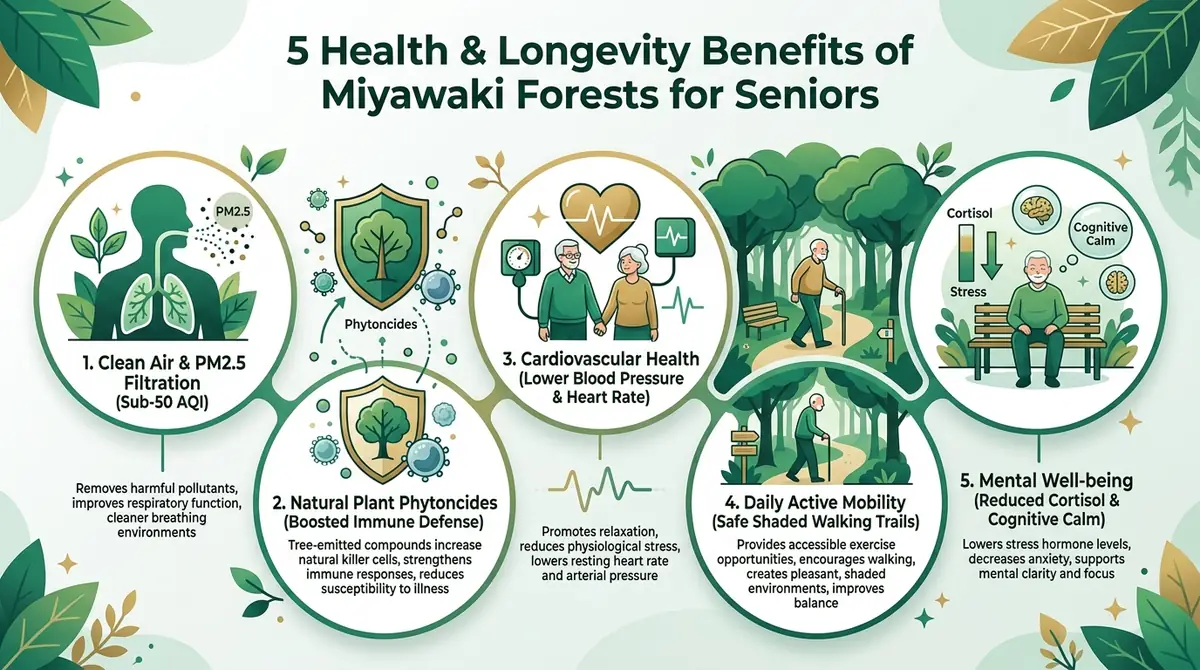
Clean Air and Respiratory Health: The Sub-50 AQI Advantage for Seniors
Green retirement campuses with 5,000+ native trees filter airborne PM2.5 and PM10 particles, keeping daily Air Quality Index levels below 50. This pristine air reduces chronic asthma flare-ups, soothes COPD symptoms, improves oxygen saturation and shields senior lungs from severe urban pollution spikes.
As we age, our respiratory muscles naturally lose elasticity, lung alveolar surface area decreases and cilia become less effective at clearing inhaled dust. In Indian cities where vehicular exhaust and construction particulate matter frequently push PM2.5 levels into hazardous zones, senior citizens face severe respiratory risks. Regular exposure to toxic air increases the risk of chronic bronchitis, pneumonia, nocturnal coughing and cardiovascular strain.
Living in a green eco-friendly senior community with clean air acts as a natural medical shield. The broad foliage of dense native trees traps micro-particulates on leaf surfaces, while natural air currents filter through forest layers. Studies indicate that dense tree buffers can lower ambient particulate matter concentrations by 40% to 60% compared to open city roads.
For retirees managing chronic respiratory ailments, the difference is immediate:
- Fewer Bronchial Flare-Ups: Clean, moist forest air reduces irritation in sensitive airway linings, cutting down dependency on daily bronchodilator inhalers and nebulisers.
- Higher Morning Oxygen Levels: Exercising in oxygen-rich forest air enhances oxygen delivery to major organs, improving morning alertness and reducing morning fatigue.
- Deeper Restorative Sleep: Sleeping in an environment free from heavy particulate smog and traffic fumes prevents nocturnal airway constriction, leading to uninterrupted REM sleep.
- Reduced Cardiovascular Load: Clean air prevents systemic arterial inflammation caused by fine micro-particles entering the bloodstream, easing pressure on the heart.
When combined with professional on-campus medical care in senior living homes, clean air forms the foundation of preventative geriatric healthcare.
Looking for Clean Air and Green Senior Living in Central India?
URJA by CHL features a 15-acre green eco-campus with over 5,000 native trees, lake-view trails and 24/7 hospital-backed healthcare on Indore Bypass.
Explore URJA By CHL CampusNatural Plant Phytoncides: Boosting Senior Immunity and Lowering Blood Pressure
Trees in Miyawaki micro-forests emit natural organic antimicrobial compounds called phytoncides. Inhaling phytoncides during gentle daily walks increases natural killer immune cell activity, reduces the stress hormone cortisol, stabilises resting blood pressure and supports long-term senior wellness.
The ancient practice of forest bathing, known in Japan as Shinrin-yoku, is backed by extensive physiological research. Plants and trees release natural volatile organic compounds known as phytoncides (such as alpha-pinene, limonene and carene) to protect themselves from insects, fungi and bacteria. When humans walk through dense tree groves and breathe these natural aerosols, our bodies respond with measurable health improvements.
For senior citizens, regular exposure to tree phytoncides activates the parasympathetic nervous system, the body's natural rest-and-digest mechanism. This biological shift decreases circulating adrenaline, reduces serum cortisol levels and calms rapid pulse rates. For seniors managing hypertension or borderline cardiac stress, spending 30 to 45 minutes walking under mature tree canopies helps lower resting systolic and diastolic blood pressure.
Medical studies also show that phytoncides stimulate the activity of Natural Killer (NK) cells and protective immune proteins (such as perforin, granzyme and granulysin) in the body. Spending even a few days in a dense wooded environment can boost immune cell activity for up to a week. For elderly individuals whose immune function naturally slows with age, daily immersion in a wooded campus provides natural immune defence against seasonal viral infections, flu and chronic inflammation.
Biophilic Design and Active Mobility: Shaded Walking Loops and Lake Trails
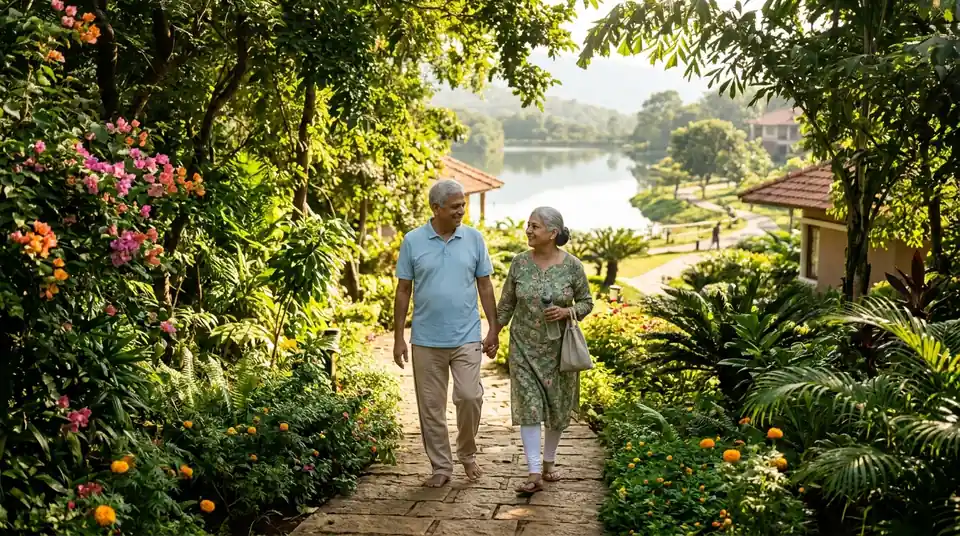
Biophilic senior communities feature continuous tree-shaded walking loops, non-slip reflexology paths, gentle ramps and lake-view promenades. These safe, barrier-free pathways encourage seniors to comfortably complete 5,000 to 7,000 steps daily without heat fatigue or risk of falling.
Physical inactivity is one of the greatest threats to healthy ageing. Yet, in typical Indian urban neighbourhoods, broken footpaths, open drains, speeding two-wheelers and blazing afternoon heat make daily outdoor walking dangerous and exhausting. Many elderly residents end up spending their entire day indoors, leading to joint stiffness, muscle loss (sarcopenia) and weight gain.
In contrast, thoughtfully planned senior citizen gated communities in Indore place biophilic architecture at the heart of daily life. Walking trails are shaded by continuous tree canopies that block harsh midday UV radiation and keep pathway surface temperatures pleasantly cool.
Key movement-friendly features designed for seniors include:
- Step-Free Walking Circuits: Wide, continuous asphalt and paved walking loops designed with gentle slopes and zero trip hazards, allowing seniors with walking sticks or walkers to move freely.
- Lake-View Breeze Promenades: Walking trails positioned along serene water bodies capture cooling surface breezes, making morning and evening walks pleasant even in summer.
- Acupressure and Reflexology Walkways: Textured stone paths that gently stimulate nerve endings on the soles of the feet, improving balance, proprioception and blood flow.
- Frequent Resting Gazebos: Shaded benches, garden gazebos and hydration stations placed every 100 metres so seniors can rest, chat with friends and catch their breath.
When walking feels effortless and safe, seniors naturally integrate physical movement into their daily routine in senior living homes, building cardiovascular stamina, knee joint flexibility and stronger core balance.
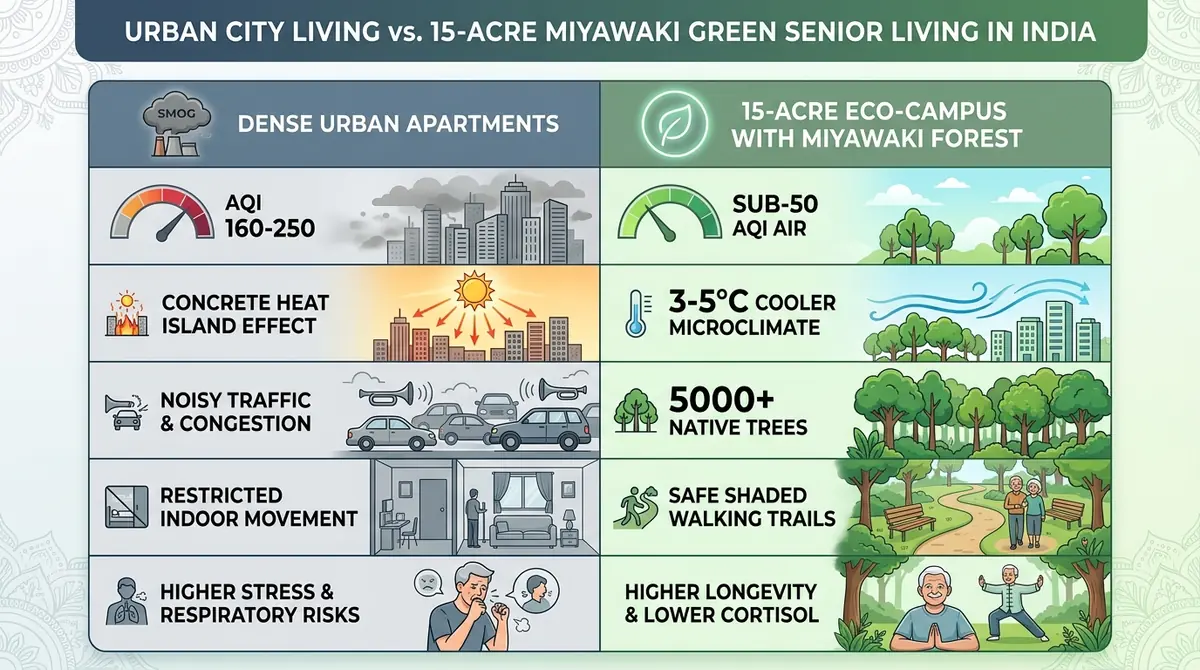
Urban City Living vs. 15-Acre Green Retirement Communities in India
Compared to dense urban apartments, 15-acre green senior communities deliver 70% cleaner air, 3 to 5 degrees cooler microclimates, 40-decibel quieter surroundings, barrier-free walking circuits and significantly lower psychological stress levels for retired couples.
Choosing between staying in a high-density urban apartment and moving to a dedicated eco-living campus is an important decision for retired families. When evaluating the pros and cons of retirement homes, examining everyday environmental and health parameters makes the contrast clear.
Detailed Environmental & Health Comparison
| Health & Lifestyle Parameter | Congested Urban City Apartment | 15-Acre Miyawaki Green Senior Campus |
|---|---|---|
| Air Quality Index (AQI) | High pollution (160 to 280+ AQI); heavy vehicular exhaust and PM2.5 dust. | Clean microclimate (Sub-50 to 75 AQI); filtered by 5,000+ native trees. |
| Summer Microclimate Temperature | Concrete heat island; 3°C to 5°C hotter than open countryside. | Natural tree shade and lake cooling; 3°C to 5°C cooler ambient temperatures. |
| Daily Walking & Exercise Space | Broken pavements, traffic hazards, stray animals and narrow balconies. | Dedicated, barrier-free shaded loops, reflexology trails and lake promenade. |
| Ambient Acoustic Noise | Constant honking, sirens and construction noise (70 to 85 dB). | Soothing nature sounds, rustling leaves and birdsong (35 to 45 dB). |
| Immunity & Phytoncide Exposure | Minimal plant density; negligible exposure to natural antimicrobial terpenes. | Daily immersion in dense neem, peepal, arjun and tulsi bio-groves. |
| Mental Stress & Cortisol Levels | Sensory overload, isolation behind closed doors, elevated stress hormones. | Biophilic visual calm, reduced cortisol and active social interactions in nature. |
| Emergency Healthcare Access | Caught in city traffic jams during hospital transfers. | Dedicated 24/7 on-campus medical clinic, nurses and emergency ambulance. |
As shown above, an eco-friendly green habitat addresses the root environmental causes of lifestyle diseases. Moving to a green campus is not simply a change of address; it is a direct investment in extending your active, healthy lifespan. To understand how property purchase and legal safeguards work in such developments, read our comprehensive guide on RERA legal rights and rules for senior living in India.
Plan a Guided Green Campus Tour for Your Parents
Experience our 15-acre Miyawaki forest, lakeside walking trails and modern senior wellness facilities in person.
WhatsApp Our Campus TeamMental Calm, Cognitive Sharpness and Community Connection in Nature
Spending daily time in green natural surroundings reduces mental fatigue, alleviates late-life anxiety and keeps memory sharp and active. Community herbal gardening, morning lawn yoga and open-air social plazas help build warm friendships that keep loneliness away.
Ageing gracefully involves mental and emotional wellness just as much as physical health. Chronic urban noise, visual clutter and social isolation in city apartments frequently lead to late-life depression and cognitive decline among Indian seniors. When the brain is constantly processing urban stressors, mental fatigue builds up.
Biophilic green spaces provide what environmental psychologists call Soft Fascination. Watching leaves flutter in the wind, listening to birds around a tranquil lake and enjoying natural sunrise light gently engages attention without draining cognitive energy. This restorative process helps restore focus, sharpens memory and promotes a calm mental state.
Green campuses also encourage active social bonding through shared outdoor activities:
- Community Herbal & Kitchen Gardens: Dedicated raised garden beds where residents can plant tulsi, pudina, lemongrass, aloe vera and organic vegetables. Working with soil stimulates sensory motor pathways and brings immense personal satisfaction.
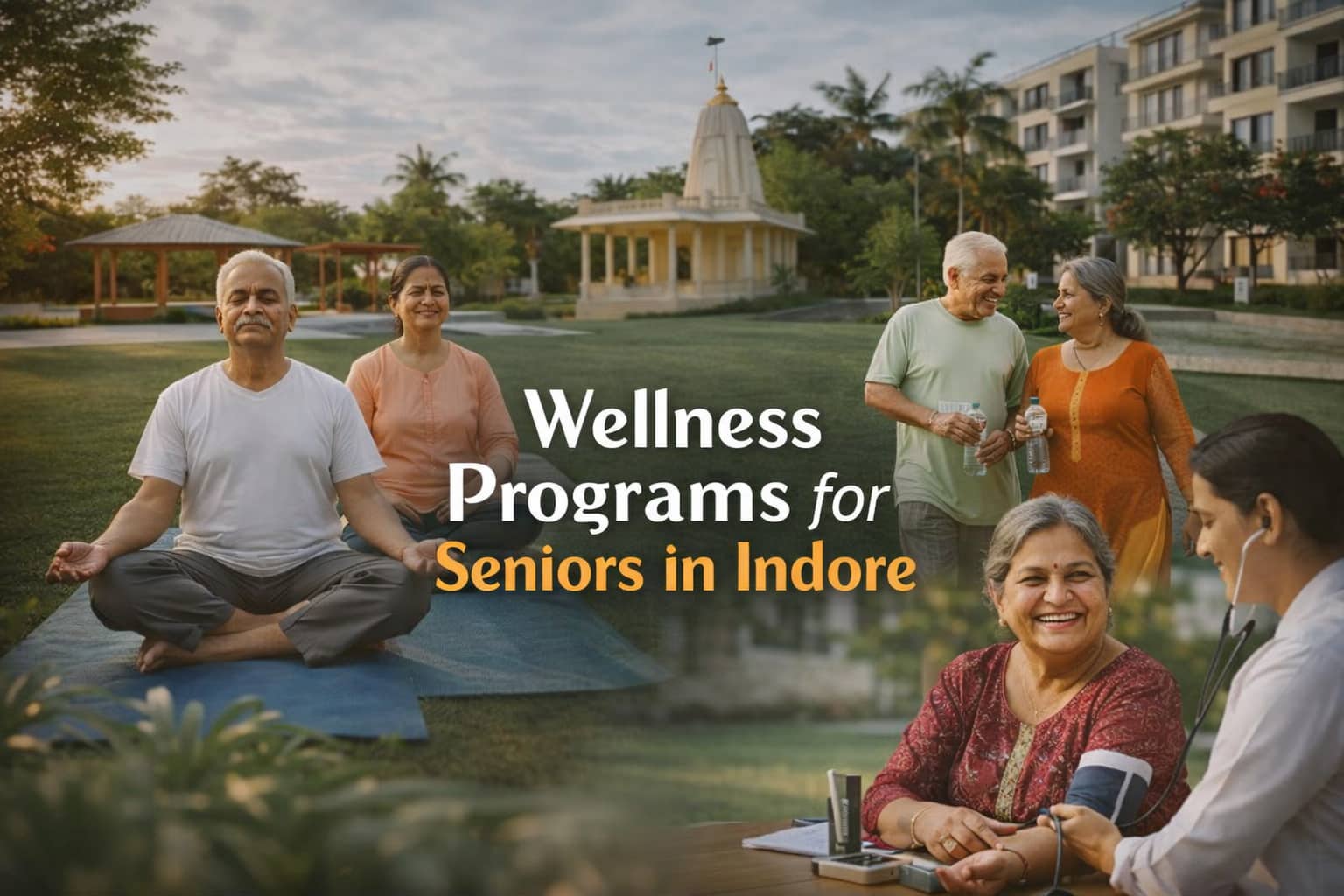
- Open-Air Yoga and Meditation Lawns: Early morning pranayama and yoga sessions on soft green grass surrounded by flowering trees help seniors practice deep diaphragmatic breathing in pure oxygen.
- Birdwatching and Photography Clubs: Diverse native flora attracts over 40 species of local and migratory birds, providing fascinating hobbies that keep minds curious and active.
- Lakeside Evening Chai Gatherings: Shaded waterside pavilions offer welcoming spaces where residents gather naturally every evening to share stories, celebrate festivals and build lasting friendships.
Active community life in green surroundings protects against loneliness. To discover more about daily club activities and lifestyle amenities, explore our wellness programs for seniors guide and our complete lifestyle amenities.
Key Green Campus Features to Check Before Choosing a Retirement Home
When evaluating green senior living communities, verify high native tree density, dedicated eco-buffers, barrier-free walking circuits, sustainable water management and swift access to tertiary emergency medical care.
If you or your children living abroad are researching senior living homes for NRIs and shortlisting retirement destinations across India, make sure to look beyond superficial sales brochures. A truly green, health-focused senior community must meet strict environmental and infrastructure standards:
- 1. High Native Tree Density (Miyawaki Method):** Check whether the project features dense clusters of indigenous trees or just cosmetic manicured grass. Native species support local bird life, require zero chemical pesticides and produce significantly higher phytoncide concentrations.
- 2. 100% Barrier-Free Stepless Pathways: Ensure that all forest trails, clubhouse walkways and garden paths have smooth gradients, non-slip surfaces and continuous grab rails where needed.
- 3. Sustainable Water & Solar Infrastructure: Eco-conscious communities should practice 100% rainwater harvesting, sewage treatment water recycling for landscape irrigation and solar-powered common lighting.
- 4. Natural Eco-Buffers from Busy Roads: The residential living villas and apartment towers should be set back from main highway traffic behind dense green tree belts to ensure clean air and absolute quiet surroundings.
- 5. Hospital-Backed Medical Integration: Nature is therapeutic, but immediate emergency medical safety is non-negotiable. Ensure the community has 24/7 on-site doctors, nursing support, cardiac ambulances and direct ties to top multi-specialty hospitals. For instance, URJA by CHL is backed by the 25-year clinical legacy of CHL Hospitals in Central India. Learn more on our about CHL Urja page.
Following this checklist ensures your retirement home provides the perfect harmony of pristine nature, active comfort and total healthcare security. For practical guidance on finding the right fit, read our complete guide on how to choose senior living homes in India.
Frequently Asked Questions
1. How does living in a 15-acre green eco-friendly senior community with clean air improve cardiovascular and mental health in India?
Living in a 15-acre green eco-friendly senior community provides sub-50 AQI air filtered by thousands of native trees, reducing arterial inflammation and chronic lung irritation. Daily exposure to plant phytoncides lowers the stress hormone cortisol, reduces resting blood pressure, boosts natural killer immune cells and encourages daily outdoor walking on safe, shaded trails.
2. What makes a Miyawaki forest more effective than regular city parks for senior health?
A Miyawaki micro-forest is planted with dense native multi-tiered vegetation that grows ten times faster and is thirty times denser than standard parks. This high botanical density traps significantly more PM2.5 dust, absorbs urban traffic noise up to 40 decibels, releases high volumes of therapeutic phytoncides and creates a cooler microclimate.
3. How do green retirement communities maintain sub-50 AQI air during peak winter smog in India?
Dense multi-layered tree canopies act as physical and biological particulate filters. The foliage surface traps airborne dust while natural convective air currents over wooded and water-body areas disperse trapped pollutants, maintaining significantly cleaner air than congested city centres.
4. Can seniors with joint pain or mobility limitations walk safely in a Miyawaki eco-campus?
Yes. Purpose-built green retirement campuses feature paved, step-free walking paths, gentle anti-skid ramps, resting gazebos every 100 metres and smooth lake promenades. Seniors with knee arthritis or walking aids can exercise safely without fear of tripping or joint impact.
5. How does the 15-acre URJA by CHL eco-campus in Indore combine green nature with emergency medical care?
URJA by CHL combines a 15-acre Miyawaki eco-campus and lake promenade on the Indore Bypass with a dedicated 24/7 on-site medical clinic, resident nursing care, emergency response systems in every home and priority ambulance access to CHL Hospitals' multi-specialty trauma centre.