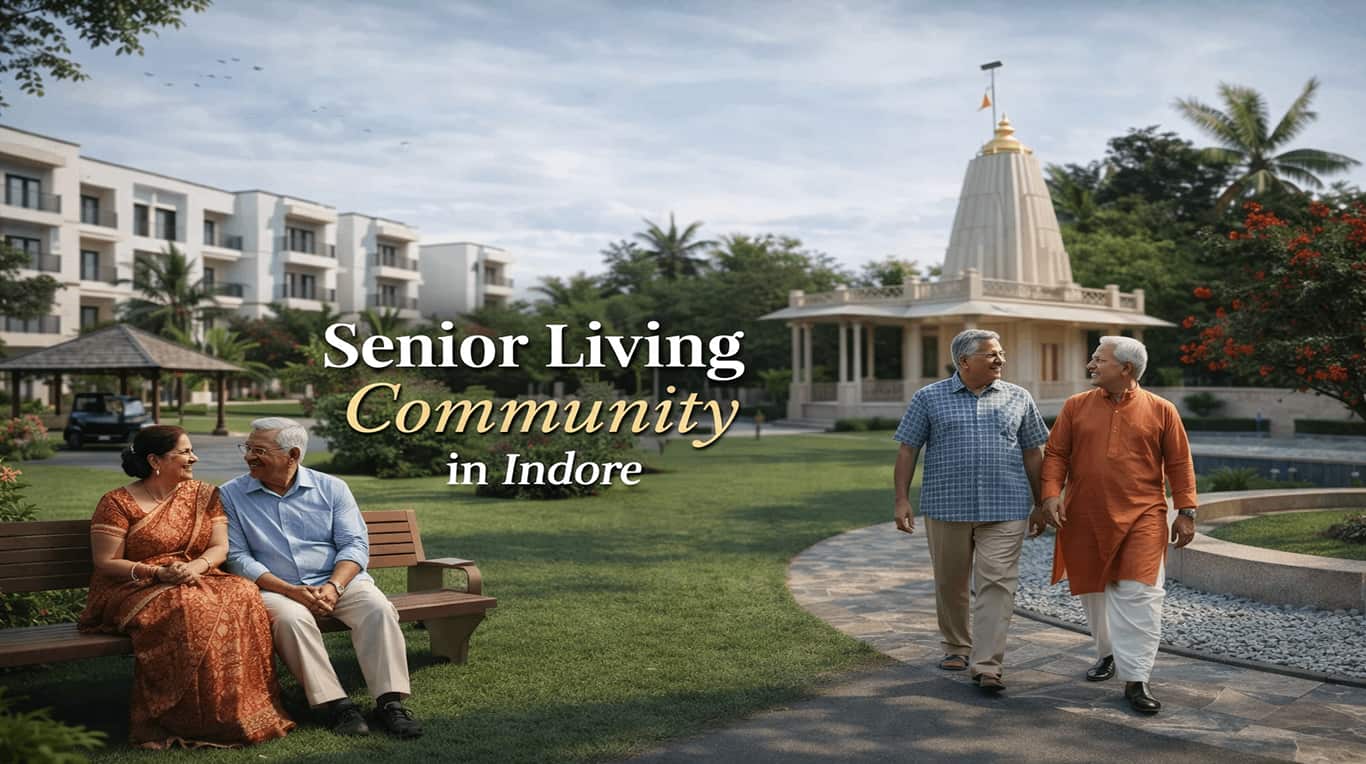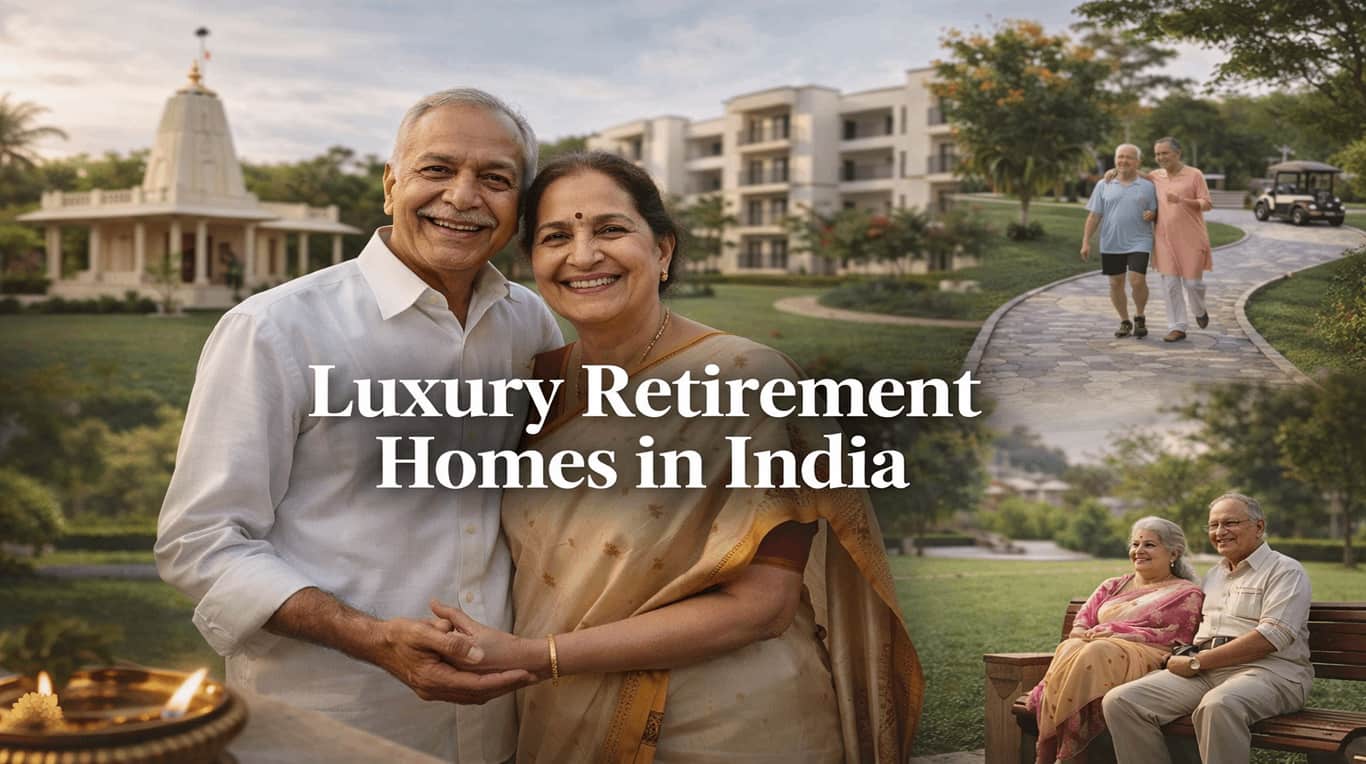
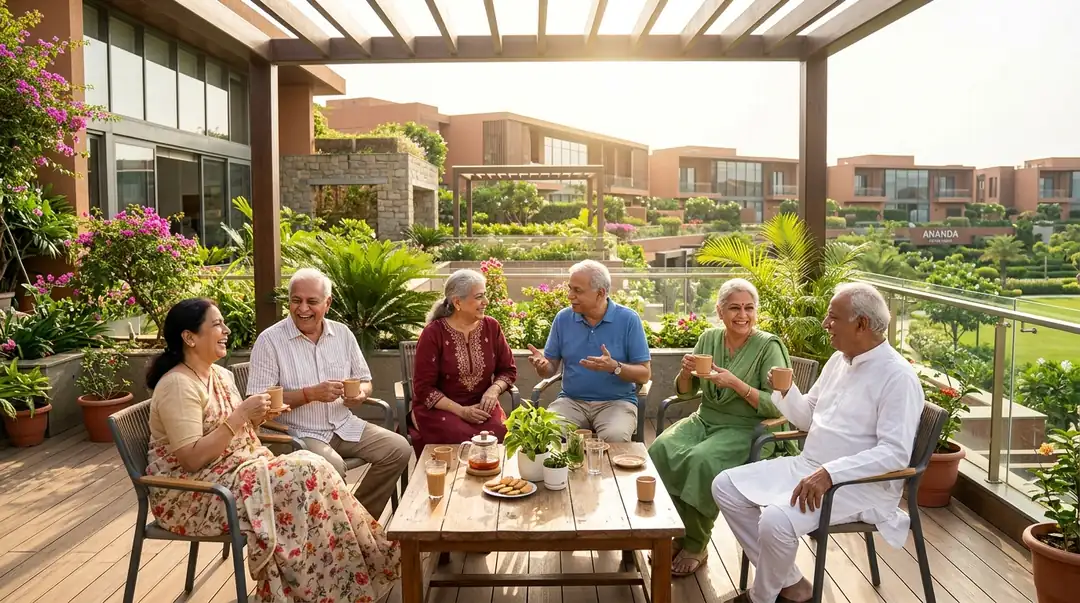
To understand how do retirement communities improve senior social life in India, one only has to see how purpose-built campuses design everyday living around spontaneous human connection. Instead of spending long quiet hours waiting for phone calls in empty city flats, senior citizens step out into an energetic neighbourhood where morning yoga sessions, communal dining, evening tea gatherings and festival celebrations are built into the daily rhythm.
Loneliness among seniors rarely happens overnight in Indian households. It creeps in quietly when children relocate to other cities or abroad for career opportunities, lifelong colleagues drift away and managing traffic in busy cities makes stepping out difficult. Modern active senior living communities eliminate this isolation by creating a warm, vibrant ecosystem where friendship, intellectual engagement and mutual emotional support happen effortlessly every single day.
Why Is Loneliness and Social Isolation a Growing Concern for Indian Seniors?
Urbanisation, nuclear family setups and career migration have left millions of Indian seniors living alone in large city flats. Social isolation increases the risk of clinical depression, high blood pressure, memory loss and anxiety, making structured senior community living a healthy solution.
In traditional Indian society, joint family homes provided built-in companionship throughout the day. Grandparents spent their time surrounded by children, grandchildren, visiting relatives and friendly neighbours. Today, career demands have changed urban family structures. Adult children frequently reside in distant corporate hubs such as Bengaluru, Mumbai, Gurugram, Hyderabad or overseas across the US, UK, Canada and the UAE.
While hiring a domestic cook or full-time maid takes care of daily sweeping and cooking, it cannot provide meaningful emotional companionship. A domestic worker cannot discuss morning newspaper editorials, debate classic Hindi literature, enjoy a game of carrom or reminisce about college days in the 1970s. This emotional vacuum creates what doctors call silent isolation.
Medical research across major healthcare institutions confirms that prolonged loneliness harms the body as severely as smoking 15 cigarettes a day. It elevates stress hormones, impairs heart health and speeds up cognitive decline. If you are noticing changes in your parents' energy or daily mood, reading our guide on when to move to a retirement community in India will provide practical clarity.
How Daily Community Activities and Wellness Routines Foster Natural Friendships
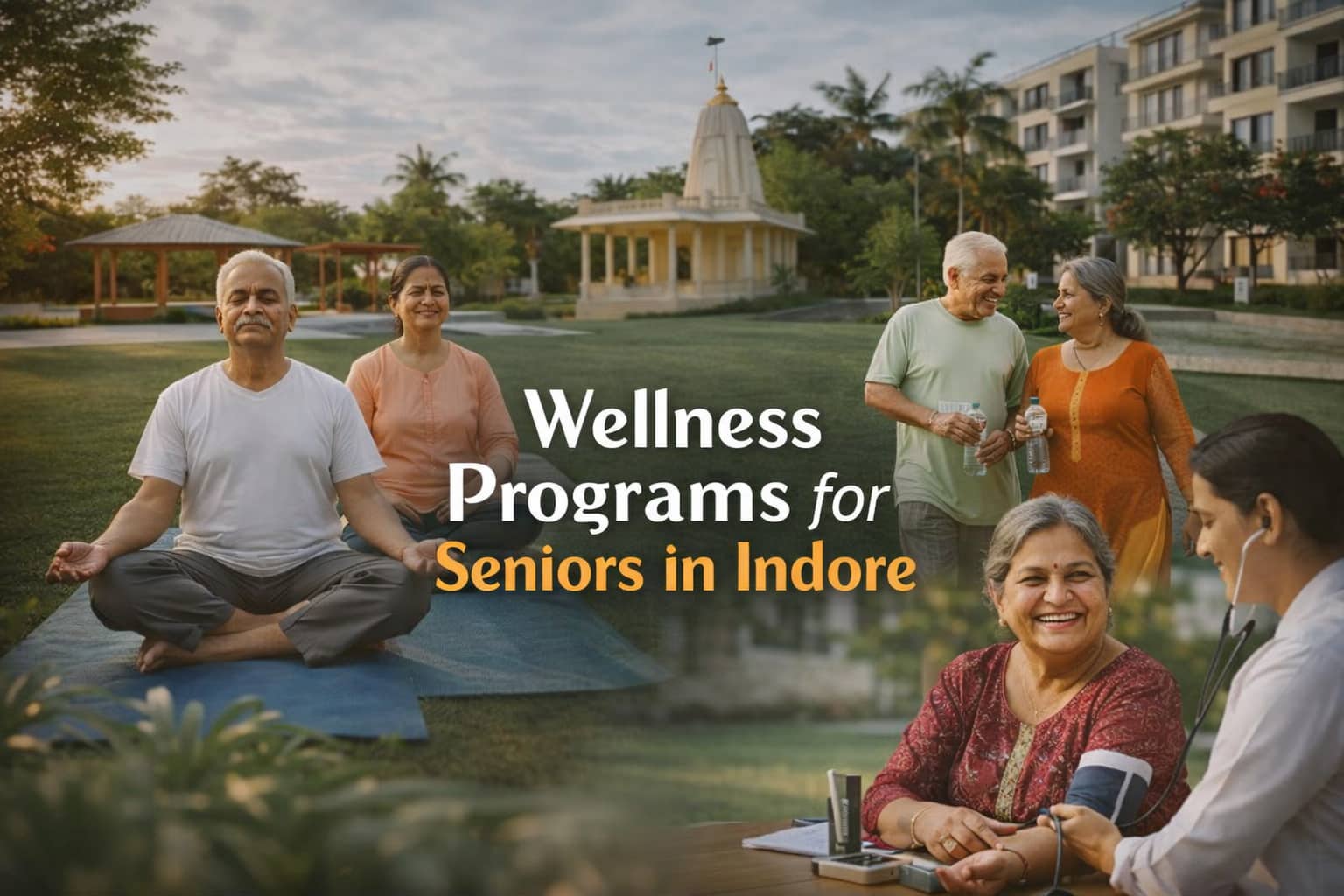
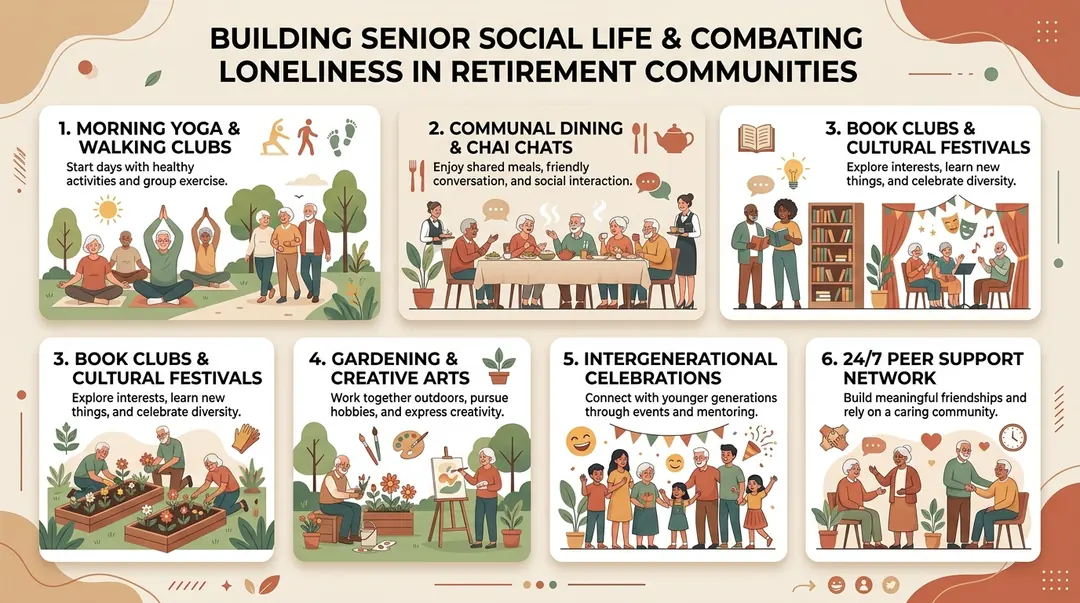
Retirement communities schedule structured daily wellness programmes including morning yoga, guided walking clubs, aqua aerobics, indoor board games and meditation circles. These shared routines create spontaneous opportunities to strike up conversations and build lasting peer friendships.
One of the biggest hurdles elderly parents face in regular city colonies is the effort needed to step out. Booking app cabs, negotiating damaged footpaths and dodging traffic often discourages seniors from leaving their flats. In an active ageing community, social life starts right outside the bedroom door.
Daily schedules are curated around gentle physical fitness and mental agility:
- Morning Walking and Laughter Clubs: Group morning walks on dedicated vehicle-free paths let residents soak up morning sunlight while chatting about current events and family updates.
- Gentle Yoga and Pranayama: Trained yoga instructors guide seniors through joint-friendly stretches and breathing exercises in an encouraging group setting.
- Card Games, Chess and Carrom Matches: Clubhouse lounges stay lively through the afternoon with bridge, rummy and chess tournaments that keep reflexes sharp.
- Library and Reading Circles: Book lovers exchange novels, discuss spiritual commentaries and recite poetry during weekly library get-togethers.
- Herb and Flower Gardening: Raised planting beds let gardening enthusiasts nurture organic vegetables, tulsi and seasonal flowers without bending down awkwardly.
These shared routines give seniors a fresh reason to look forward to each morning. To see how resident life is organised, explore our overview of the daily routine in senior living homes in India and our guide to wellness programmes for seniors in Indore. You can also explore our specialised independent living retirement communities in Indore.
Looking for an Energetic, Connected Community for Your Parents?
CHL Urja brings seniors together in Indore through daily wellness classes, engaging clubhouse activities, shared gourmet dining and compassionate care. Experience the joy of true community living.
Chat with an Urja Relationship ManagerThe Role of Shared Dining and Casual Chai Gatherings in Building Bonds
Communal dining halls turn meal times into warm social hubs. Sharing wholesome, freshly cooked vegetarian meals and evening chai breaks eliminates the chore of solitary cooking while sparking daily conversations and building deep neighbourly connections.
For older adults living alone, planning and cooking three meals a day becomes tiring. Over time, many seniors cut corners, eating plain toast or leftover sabzi just to avoid kitchen work. More significantly, eating at an empty dining table reinforces feelings of loneliness.
In a managed retirement campus, dining is a celebratory social experience. Wholesome vegetarian meals are prepared fresh under the guidance of clinical nutritionists, featuring regional favourites such as poha, idli, dal baati, soft rotis and seasonal curries.
The 4:00 PM evening chai hour is a highlight of every single day. Residents gather in the central dining hall or garden gazebo for steaming cups of ginger masala tea, filter coffee and warm snacks. These relaxed, unhurried conversations are where simple acquaintances turn into lifelong confidants. You can discover more about our dining and campus amenities on our dedicated senior lifestyle page.
Living Alone at Home vs Connected Social Life in a Retirement Community
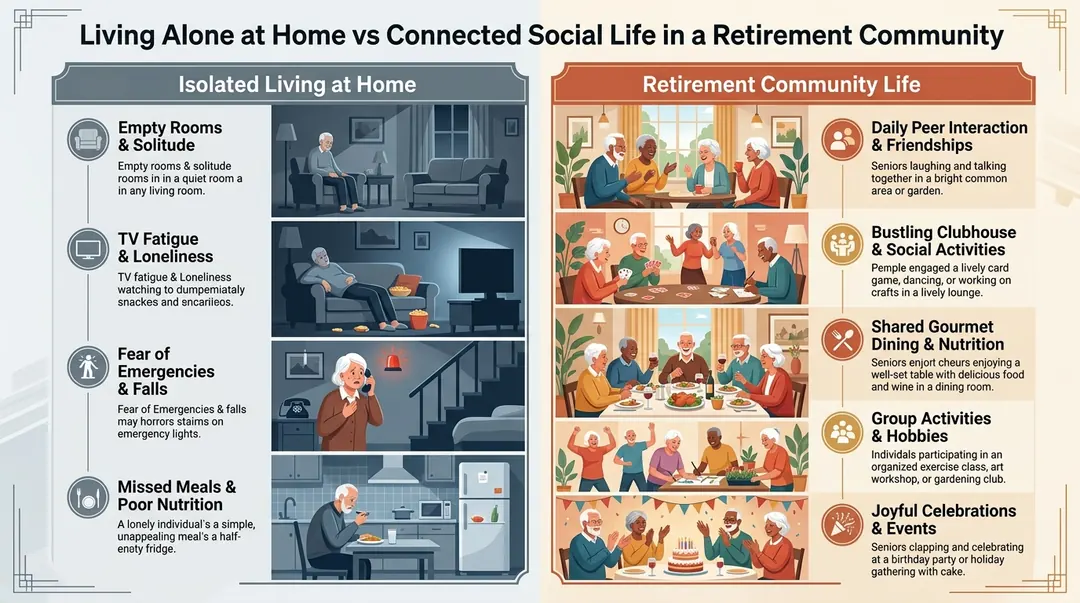
Living alone at home often leads to indoor confinement, limited conversation, safety anxieties and meal monotony. In contrast, purpose-built retirement communities offer lively peer companionship, continuous recreational options, shared dining and instant safety support.
Here is how daily living compares between staying alone in a regular city flat and thriving inside a purpose-built senior living community:
| Aspect of Daily Life | Living Alone in a Conventional Home | Active Senior Living Community |
|---|---|---|
| Daily Social Interaction | Limited to domestic maids, delivery agents or occasional phone calls | Spontaneous daily chats with same-age peers, neighbours and caring staff |
| Mealtime Experience | Solitary dining; meal prep is tiring and often skipped | Shared dining with freshly cooked regional dishes and lively 4 PM chai gatherings |
| Recreation & Hobbies | Passive TV watching; limited access to hobby groups or outdoor green space | Organised activity calendars: music, gardening, book circles, art and yoga |
| Festival Celebrations | Often subdued or lonely when children are unable to travel home | Grand community celebrations for Diwali, Holi, Navratri, Janmashtami and birthdays |
| Physical Safety & Mobility | Risk of falls on slippery tiles; anxiety about medical emergencies | Zero-barrier floors, anti-skid bathrooms and 24/7 on-site emergency medical response |
| Mental Wellbeing | High vulnerability to isolation, boredom, worry and depression | Strong sense of belonging, continuous mental stimulation and mutual emotional care |
How Cultural Celebrations, Hobby Clubs and Workshops Re-Energise Retirees
Retirement communities host festive gatherings, classical music recitals, theatre evenings, technology workshops and intergenerational meetups. These events spark creative expression, continuous learning and festive joy among senior residents.
In India, festivals are the heart and soul of family life. Spending Diwali, Navratri Garba, Holi or Ganesh Utsav alone in a quiet flat is painful for ageing parents. In an active retirement community, every festival is celebrated on a grand scale with community enthusiasm.
The entire township comes together with rangoli, traditional sweets, festive lighting and cultural performances. Residents dress in their finest ethnic wear, sing bhajans and share festive memories. Milestone birthdays and wedding anniversaries are celebrated together in the banquet hall, ensuring every resident feels special.
Beyond festivals, communities run weekly workshops to keep minds stimulated:
- Smartphone and Digital Banking Workshops: Practical sessions helping seniors master video calls with grandchildren, online grocery apps, cab booking and secure UPI transactions.
- Classical Music and Sangeet Evenings: Live bhajan recitals, antakshari rounds and karaoke nights that bring out musical joy.
- Interactive Guest Lectures: Regular talks by doctors, historians, authors and spiritual guides providing fresh learning opportunities.
- Intergenerational Mentorship Sessions: Collaborations with nearby schools and NGOs where retired teachers, engineers and bank officers mentor young students.
For non-resident Indian families living abroad, knowing their parents are part of an uplifting cultural community brings immense peace of mind. Read our comprehensive guide on why NRIs are choosing managed senior living for parents in India and explore our tailor-made options for senior living homes for NRIs.
Experience the Warmth of Community Living at CHL Urja
Take a guided campus tour in Indore. Meet our residents, explore our landscaped walking gardens, visit the hobby clubhouse and see how active retirement living can be.
Book a Campus Tour TodayMental and Physical Health Benefits of an Active Peer Social Network
Regular peer interaction reduces stress hormones, lowers blood pressure, enhances memory retention and halves the risk of depression in older adults. Being part of an active peer circle encourages healthy lifestyle habits and boosts overall longevity.
Geriatric doctors consistently emphasise that emotional health and physical vitality go hand in hand. When seniors stay socially engaged, they are far more motivated to go for daily morning walks, sleep soundly at night and take prescribed medicines on time.
Positive peer encouragement works wonders in retirement communities. Seeing neighbours walk down to the clubhouse for morning pranayama at 7:00 AM naturally motivates seniors to step outside instead of staying in bed with the television. At the dining table, laughing and talking with friends naturally improves appetite and digestive health.
Living alongside peers who share similar life experiences creates genuine empathy. Whether someone is dealing with joint pain, cataract recovery or the loss of a spouse, having caring friends next door provides immediate comfort. Backed by 24/7 nursing and on-campus ambulance services, residents enjoy complete physical and emotional security. Learn more about our medical infrastructure on our senior healthcare services page and review how retirement communities handle medical emergencies in India.
How to Help Your Ageing Parents Transition and Build Friends in Senior Living
Help parents transition smoothly by taking them on trial campus visits, encouraging them to join low-pressure hobby clubs, introducing them to community activity managers and reassuring them of frequent family visits and continuous digital contact.
Relocating from a long-time family home where one has spent thirty or forty years can feel emotionally overwhelming. Many elderly parents worry about leaving familiar surroundings or wonder whether they will make friends in a new setting.
Here are practical steps to make the transition smooth and comfortable:
- Visit Together for a Relaxed Lunch: Spend an unhurried afternoon dining at the community mess and walking the gardens. Let your parents speak directly with residents in an informal setting. If you are comparing different options, review our guide on how to choose senior living homes in India.
- Connect with Their Core Interests: Whether your father loves chess and gardening or your mother enjoys bhajan mandalis and classical music, connect them with relevant resident activity clubs early on.
- Introduce the Community Relationship Team: Retirement communities have friendly lifestyle managers who welcome new residents personally and introduce them to neighbours with similar backgrounds.
- Furnish the Flat with Cherished Belongings: Bring along familiar armchairs, family photo frames and personal puja mandir items so the new flat immediately feels like home. Check our checklist on what senior friendly features should a retirement home have in India to ensure complete safety.
- Stay Closely Connected: Establish regular video calling times and plan frequent weekend visits. You can also contact our senior living advisors anytime to schedule a family orientation.
Frequently Asked Questions (FAQs)
How do active senior living communities build social connection for retired couples and singles in India?
Active senior living communities build social connection by organising structured daily routines including morning yoga, walking clubs, shared dining, tea gatherings, hobby workshops, card tournaments and festive celebrations. Dedicated community managers introduce new residents to peer groups with shared interests, creating a warm, family-like environment for both couples and single seniors.
What social activities are organized for senior citizens in retirement communities?
Communities organise a wide variety of activities including yoga, meditation, laughter clubs, gardening circles, classical music concerts, bhajan evenings, bridge and carrom tournaments, smartphone tech workshops, book reading clubs, festival celebrations and periodic local sightseeing excursions.
How do retirement homes help introverted or shy seniors make friends?
Retirement communities avoid forced socialisation. Instead, they provide relaxed, low-pressure spaces like quiet library lounges, landscaped garden gazebos, art workshops and small hobby circles where introverted seniors can gradually interact at their own comfortable pace with the gentle support of lifestyle coordinators.
Can children and grandchildren visit and participate in community events?
Yes. Premium retirement communities encourage family visits, providing guest suites, dining access and family-friendly event spaces so grandchildren can stay over during holidays and participate in festive celebrations and milestone birthdays.
Why is community senior living better for mental health than staying alone with domestic help?
While domestic helpers assist with household chores, they cannot provide intellectual conversation, emotional empathy or shared generational experiences. Living among peers provides genuine friendship, purposeful daily routines, mental stimulation and mutual support, which drastically reduces loneliness and depressive symptoms.
Conclusion
Growing older does not mean shrinking one's life to four walls and a television screen. Understanding how do retirement communities improve senior social life in India helps families discover a lifestyle where golden years are filled with meaningful conversations, cherished morning walks, festive celebrations and deep peer friendships. By replacing isolation with an active, secure and uplifting community, modern senior living gives parents the dignity, companionship and happiness they truly deserve.
Give Your Parents the Gift of an Active, Joyful Community at CHL Urja
Discover Indore's premier active senior living community, backed by the trusted healthcare legacy of CHL Hospitals. Schedule a personalised visit or speak with our team to learn more.
Connect with CHL Urja Today